Category: Food and Drinks

  • What is the Mediterranean diet, and why is it good for you

    What is the Mediterranean diet, and why is it good for you

    recent study published by Italian researchers shows that adhering to a Mediterranean-style diet can offer protection against type 2 diabetes. The paper is just the latest in a long line of research pointing out the wonders of this diet – so what are we to take from these latest findings?

    Despite its name, the Mediterranean diet is more a way of life based on the dietary traditions of Greece and southern Italy in the 1950s and 1960s. At the time, rates of chronic disease in these areas were among the lowest in the world, and adult life expectancy was among the highest.

    Food and life

    In simple terms, the Mediterranean diet is healthy (not a low-fat diet) low in omega-6 fatty acids and rich in omega-3 fatty acids (from olive oil).

    In the 1950s, people in Greece and southern Italy were poorer and consequently ate red meat only about once a week. Herbs and spices were frequently used instead of salt to flavor foods.

    Shutterstock

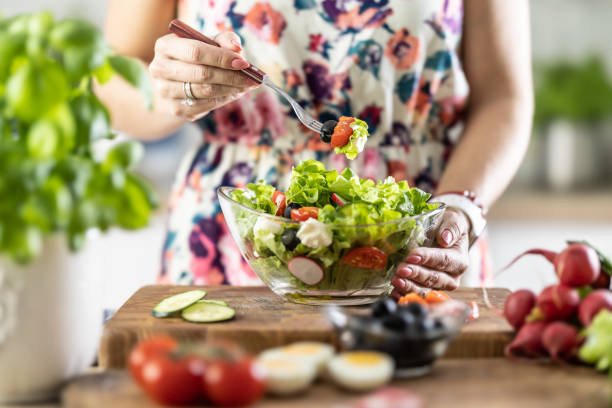
    They usually ate about nine servings of fruit and vegetables every day and fish such as mackerel, herring, sardines, and anchovies at least twice a week. Eggs, dairy, and poultry were eaten regularly but in smaller portions than in current Western diets.

    Desserts, such as ice cream, were eaten only during family outings and at home on feast days. People ate processed and cured meats but only in small servings. Curing was a way to extend the consumption of local food, as importing food was uncommon.

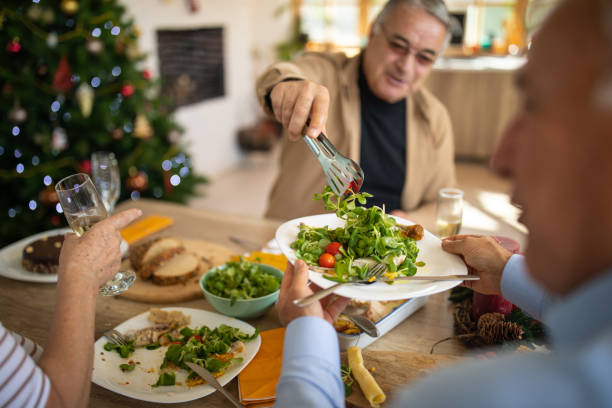
    There are many lifestyle factors associated with the Mediterranean diet. Meals were (and still are) centered around a social atmosphere, with friends and family gathering to enjoy each other’s company as much as the food. Alcohol (mainly red wine) was consumed in moderation.

    People also did a lot of manual work in a warm climate, such as growing vegetables, fishing, or tending to animals. The salt from cured meats replaced what was lost during the working day.

    Overall, dietary calorie intake was balanced with daily exercise. Nowadays, people don’t have the same kind of physically active jobs and so can’t eat cured and processed foods with such frequency.

    How do we know

    The relationship between the traditional Mediterranean diet and lower rates of sickness, disease, and death was first written about in 1995.

    Since then, there have been many studies investigating the link between this diet and reduced risk of chronic diseases such as cardiovascular and Alzheimer’s disease.

    These studies have been conducted in different countries and other ethnic groups, suggesting that the beneficial effects of the Mediterranean diet are transferable to other populations.

    Red wine was consumed in moderation. Ralph Unden

    There are several ways of collecting dietary data, including weighed food records (weighing all the food and drink you have for three or four days), 24-hour diet recall (telling a researcher everything you have eaten and drunk in the last 24 hours in an interview) and food frequency questionnaires (a list of food and drink consumed with the quantity and frequency of each).

    All of these are prone to errors in reporting food intake, estimating serving sizes, and determining nutrient content. Despite these shortcomings, data can still provide sufficient information about adherence to dietary patterns for analysis.

    A disappearing lifestyle

    Like other countries in the developed world, Greece and Italy have now entered an era of supermarkets and aggressive convenience food marketing, and much of the highly-praised Mediterranean diet no longer exists.

    As people move away from villages to live in cities, they work longer hours in more sedentary jobs, resulting in less time to prepare meals and decreased calorie expenditure.

    Meat is also more accessible and consumed more often. So it’s unsurprising that countries such as Greece and Italy have increasing obesity rates.

    What’s more, the traditionally home or locally-grown fruit and vegetables consumed as part of the Mediterranean diet are today subject to long delays between field and supermarket. Add this to the time fresh food spends on shelves in the market or at home, and you’ve got a serious reduction in the level of the beneficial components of fruits and vegetables.

    The diet is rich in oily fish such as sardines. Andrea Nguyen

    Most people don’t realize the crucial importance of freshness. As soon as fruit and vegetables are harvested, they begin to deteriorate, either via bacteria, mold, and fungi or through their internal enzymes.

    One way to overcome this is to use frozen fruit and vegetables, which are usually frozen very soon after harvest, thereby preserving vitamin and mineral levels.

    But the best option is to buy fruitand vegetables at local farmers’ markets, which provide fresh produce and support the local farming community.

    We still need to determine which aspects of the Mediterranean diet and associated lifestyle are most beneficial. But it’s clear we should all be trying to emulate it to help reduce our risk of chronic diseases.


     

  • All you eat contains chemicals

    All you eat contains chemicals

    It is a problem that the word “chemical,” in this context, is completely misused. Every chemical is common table salt, for example (sodium chloride), and even water (dihydrogen oxide).

    Chemicals in our food are usually divided into four categories: carbohydrates and proteins, fats and oils, and everything else. This last group does not have any defining characteristics, but it includes vitamins, minerals, and pharmaceuticals, as well as the hundreds of trace chemical substances that we consume every day.

    Many chemicals are safe for consumption by humans. Here’s a guide on the health effects of chemicals found in your kitchen.

    Macronutrients are chemicals

    Macronutrients are carbohydrates, proteins, and lipids. They provide the majority of our daily energy requirements.

    One hundred eighteen elements are known in the Periodic Table. However, the three main categories contain only four elements: carbon, hydrogen, and oxygen, with trace amounts of the other elements.

    Amino acids are chemical compounds that link together to form proteins. Meat and eggs are the richest sources, but beans, lentils, and wheat flour also contain significant amounts.

    Carbohydrates are made up of only carbon, hydrogen, and oxygen atoms. They are all linked in very specific ways. Carbohydrates include starch, sugar, and cellulose. They are all digested in different ways.

    Artificial sweeteners such as Aspartame, saccharin, and Aspartame are not carbohydrates.

    The health spotlight is now on natural sweeteners, such as sugars. The consumption of white sugar (sucrose), high-fructose syrup (a mix of glucose and fructose), and other sweeteners has been associated with a number of health problems.

    Like carbs, only carbon, hydrogen, and oxygen are found in fats. However, gram for gram, they release twice as much dietary energy as either carbs or protein. This has likely been vilified for a longer time than sugars. Some fats are essential to a healthy diet.

    Acids and bases

    Acid sounds bad. Acid is not always harmful.

    Think about food and drinks that are acidic. Coca-Cola is a classic example. It has a pH of 3.2. Lower means more acidic, and seven is neutral. This is strong enough to remove metal rust. It’s true. Thanks to the phosphoric acids in Coke.

    Watch Coke eating away at surface rust.

    The human stomach contains both hydrochloric and phosphoric acids, which have a pH even more acidic. Apples and oranges are similar in pH to Coke. Lemon juice is ten times more acidic.

    Acidic food and drinks combine with other chemicals for flavor. Many foods would be bland if they lacked acidity.

    Alkali is the chemical opposite of acid. Basic foods are higher in pH than acidic substances. Basic foods in the kitchen include eggs, baked goods like biscuits and cakes, and bicarb.

    Chemicals toxic in the kitchen

    There are toxic chemicals in our cupboards. These are often kept under the sink and have pH values that are at the extremes of the spectrum.

    Ammonia (i.e., Drano is a very basic product. Basic detergents and soaps are also available.

    You can also use concentrated sulfuric acids to unblock drains.

    Chemistry is involved in cooking.

    The science of cooking is really nothing more than chemistry. In the lab and the kitchen, heating, freezing, mixing, and blending are all common processes.

    In the process of cooking food, many different chemical and physical processes are simultaneously taking place. chemicals) involved.

    The case of carbohydrates is an interesting one. Maillard reactions combine simple sugars with proteins to brown food. A little heat will cause caramelization, but too much heat can lead to burnt flavors.

    It takes a lot of deft chemistry in order to create a seasoned, smoked brisket. Jeffrey/Flickr, CC BY

    Another carbohydrate that is well-known for its ability to create gels, such as those found in pannacotta, is starch. When heated, starch powder combines with the water to create a different texture.

    Next time someone says, “I’m not a fan of putting chemicals in my body,” you can chuckle. All products are made from chemicals. Without chemicals, we’d be in some trouble.

  • Don’t worry about fats, but rather about processed foods

    Don’t worry about fats, but rather about processed foods

    The National Obesity Forum created a storm last week by claiming eating saturated fats, such as butter, would help reduce obesity and type 2 diabetes. Public Health England retaliated, calling NOF’s advice “irresponsible”.

    The modern diet is widely accepted as a cause of illnesses like coronary heart disease, type 2 diabetes, and other diseases. The recent controversy, like most research, focuses on which nutrients are to blame.

    I am not qualified to say whether fats are good for you or if they will help you shed weight. As a philosopher and someone who’s studied diets and health-related behaviors, I am curious to know the answer. The questions we ask will determine the kind of answers that make sense. Is it logical to focus on nutrients like fat or carbohydrates, or should we reframe our question?

    There are several ways to look at the changes in diet that have occurred in Western society over the last century. We can certainly think about nutrients: more sugars, refined carbohydrates, animal fats, and oils. A change in agriculture and animal husbandry is also needed: new pesticides and fertilizers, as well as new methods of feeding and breeding animals. The third type of change begins with an organizational revolution: big corporations dominate our food supply.

    These corporations have factories, laboratories, trademarks, and marketing departments. They have also created a brand new food: the ultra-processed version.

    Why adon’t modern food companies promote cabbagestoday?

    The raw ingredients are converted into pulps, powders, concentrates, and extracts. Chemicals can be used to enhance and emulsify flavors. Some of these chemicals are familiar (such as salt), while others were unknown until modern chemistry. The new technologies can pound, process, bleach, coat, transform liquids into solids or pastes, remove the last scraps of animal carcasses, and “fortify” with vitamins that were lost during earlier processing stages.

    We’re not sure where the products came from, despite the appealing images of farms and crops.

    How can we determine which of these dietary changes are harmful to our health, given the huge shifts that have occurred? To give you a quick overview, I have listed three major changes. Each of these changes involves a variety of factors. It is very difficult to determine which factors in modern diets are responsible for the increase of certain illnesses.

    It’s not that the conventional questions about nutrients can’t be answered. It’s becoming more and more clear that a lot of sugar can be bad for you; trans fats will also do us harm. It’s a mistake to focus solely on nutrition. There are many reasons to believe that modern food processing poses health risks.

    Some of these issues overlap with specific nutrient concerns. It is easy to make inexpensive ingredients more palatable by adding salt, sugar, or fat. Processed foods are often stripped of the micronutrients that make up whole foods. Crops from industrial agriculture are lower in micronutrients.

    Energy intake and some problems are related. Processed foods contain less fibre and water. They are, therefore, more calorie dense and easier to eat in large quantities.

    Processed foods are designed to be appealing immediately, as well as being convenient. Like whole foods, they are marketed using every marketing trick known to man. All of these factors promote overconsumption. We can also suspect that certain aspects of food processing, such as “processing Aids” and chemicals in packaging, pose their own health risks.

    Focus on the whole food, not just specific nutrients

    The focus on specific nutrients, such as cholesterol or fat has damaged the reputation of whole food. Some people limit their intake of red meat, eggs, or butter. The companies that produce processed foods are better positioned to defend their product. Packaging can make or imply health claims. Margarine may be made with industrial trans fats but can be formulated low in cholesterol. Breakfast cereals may contain more than a quarter of sugar, but packaging will highlight the iron, fiber, or vitamin content.

    Nutrients are not visible or palatable to anyone. Focusing on them is to mistrust your senses and trust labels. We are confused and pick up a fizzy drink with low calories, but then select a low fat yoghurt which contains the sugar that we were trying to avoid. We are more susceptible to processed food and drinks when we focus on nutrition in healthy eating guidelines.

    Claims that “fat will not make you fat” are making headlines. They hide an even more important concept that is also hinted at by the new report. Industrial food processing is the most significant change in human diet since humans began farming. Food and beverage companies are in competition with each other. Carlos Monteiro, professor of nutrition at the University of Sao Paulo, comments that “they have the same policy” in promoting ultra-processed food.

    We could ask, instead of asking about specific nutrient content, if the increase in processed foods is contributing to diet-related illnesses. The best advice for health is to not obsess over the latest “demon” nutrient but instead to cook whole foods, adapting an old saying: Everything in moderation.

  • Eat Me, Drink Me – Fuelling Riders in the Tour de France

    Eat Me, Drink Me – Fuelling Riders in the Tour de France

    The Tour de France has been dubbed one of the world’s most physically demanding events. In its 100th edition, this year’s Le Tour – currently underway – encompasses 21 stages, totaling 3,479 km [including six mountain stages with climbs as high as 2,000 meters].

    The cyclists’ speeds and stage times will be similar to last year’s race, which included 20 locations plus a time trial prologue, covering 3,497km.

    The average time to complete each stage ranged between 51 minutes and 24 seconds (stage nine, a flat-time trial over 38km with a speed of 48.4 km/h) and five hours, forty-two minutes, and 46 seconds. (stage twelve, a medium-mountain stage of 226km with a speed of 39.5km/h).

    It is obvious, given the speed and consistency in the pace of this race, that nutrition and hydration are essential.

    Drink up

    Any endurance event that lasts a long time should be accompanied by hydration. Sweat rates are different for each individual and vary depending on workload (heat generated by muscle contractions) and climate conditions (temperatures, humidity, airflow over the body). For most Tour cyclists, sweat rates range from one to two liters per hour.

    Simon Gerrans in yellow after winning the fourth stage of the Tour de France. Yoan Valat/EPA

    Electrolytes, such as sodium and potassium, are also lost through sweat and need to be replaced when sweating is excessive and the exercise is prolonged. Here’s where it gets tricky.

    Fluid over-refilling can also lead to unnecessary weight in a sport like cycling, where a 1% difference in performance can mean the difference between winning the yellow jersey or coming second. A rider weighing 70kg, which has lost 2 liters (or 3% of their body weight) of sweat, has less mass.

    The rider should perform better on the climbs as long as mild dehydration does not affect his power output. It is only after many hours of testing that a Tour rider can find their optimal balance between body mass, hydration, and power output.

    Enjoy your meal

    It is important to consume enough carbohydrates during, before, and after exercising. The majority of carbohydrates are stored in muscle and liver glucose. A small amount is also stored as blood sugar. This is the main fuel for muscle contractions during intense exercise. If glycogen levels fall below a certain threshold, performance will drop dramatically (known as ” Bonking ” or ” Hitting the Wall” in cycling).

    Carbohydrate Loading can super compensate glycogen beyond normal levels and reduce the risk of bonking.

    Consuming carbohydrates while exercising can reduce the rate at which glycogen is lost, allowing an athlete to exercise harder for longer without fatigue.

    Eddy Merckx enjoys some nutrition after a hard-earned ride. Bilobicles bag

    Balance act

    For optimum performance during the three-week Tour de France, riders must also consume sufficient daily energy to offset high expenditures and adequate dietary proteins to support muscle regeneration.

    A negative energy balance, such as when total energy intake is lower than the energy expended each day or an insufficient dietary protein, may lead to metabolic modifications and cannibalism to create additional power.

    These changes can affect exercise performance. Tour riders try to minimize the risk of impairment by consuming just as much energy (kJ) as they expend.

    This raises an obvious question: How much energy do Tour de France riders expend, and what are they eating and drinking?

    What’s in the pockets of pros?

    Before the introduction of sports nutrition, riders in the early Tour editions were left to their own devices, including foraging along the way for their thirst and hunger.

    This is the first Tour, and there are no PowerBars to be found. Wikimedia Commons

    The times have changed, but surprisingly, very few published data exist on the diets of Tour de France riders in modern times.

    The average fluid intake was 6.7 liters per day (the highest daily intake was 11.8 liters!). The average fluid intake per day was 6.7 liters (the highest daily intake was 11.8). Sixty-one percent of fluids were consumed while cycling.

    About 61% of the energy consumed by cyclists was derived from carbohydrates, 23% from fats, and 15% from proteins (roughly 230g per day for a rider weighing 70kg).

    Sports drinks contributed to 15% of the total energy consumed by these athletes. It is interesting to note that sweet cakes consumed during rides provided the majority of the power in the diets.

    These were high in sugar and fat and very tasty. Rice cake is a healthier alternative.

  • Traditions and customs of Christmas that have been borrowed

    Traditions and customs of Christmas that have been borrowed

    It’s not long before we can spread good cheer and happiness as we celebrate the Christmas holiday.

    The main ways in which we celebrate and understand the occasion are very similar around the world. It’s all about the time, community, food sharing, gift giving, and general merry celebrations.

    While Christmas is an ostensibly Christian celebration of Jesus’ birth, many of its rituals and traditions come from other cultures, both secular and spiritual.

    The first Christmas

    The path of Christmas to the modern celebration that we enjoy today was not a straight one.

    In the fourth century, it was recorded as the first Christmas celebration. Christmas is celebrated in December around the time of the northern Winter Solstice.

    The similarities between the Saturnalia festival, celebrated by the Romans in December, and our own Christmas tradition are obvious.

    Read more: Feeling pressured to buy Christmas presents? Read this (and think twice before buying candles)

    Saturnalia emphasized the sharing of food and drink and spending time with loved ones as the colder winter period arrived. There is even evidence that the Romans exchanged little gifts of food to mark the occasion.

    Saturnalia is still celebrated today by some people with food and drinks. Carole Raddato/FlickrCC BY-SA

    Saturnalia was a cultural tradition that was carried over into the Christmas traditions we know today.

    Yule Celebration

    Turning an eye to the Germanic-Scandinavian context also provides intriguing connections. Yule, a winter celebration in the Norse Religion, was celebrated around the time we associate today with December.

    Yule began with the Wild Hunt. This was a spiritual event when Odin, the Norse God of Thunder, rode across the sky in his white eight-legged horse.

    Odin, who rode by each house, would leave small gifts. This was exciting for children and families.

    Yule, like the Roman Saturnalia, was a time to prepare for winter when a lot of food and drinks were consumed.

    Yule celebrations included bringing branches of trees inside and decorating them. This was likely the beginning of the tree that we know today.

    The decorated Christmas tree has its origins in Northern Europe. Laura LaRose/Flickr CC-BY

    In Norwegian and Danish, “Jul” is the word used for Christmas. This shows the influence of Yule in the celebrations of Northern European countries. This connection is also maintained in the English language, which refers to Christmas as “Yuletide.”

    Santa Claus is coming.

    We can see that Odin is connected to Santa Claus through the gift-giving concept, even though Santa Claus is a modern invention. This was made clear by the famous poem The Visit of St Nicholas, also known as “The Night Before Christmas,” which was attributed in 1837 to American poet Clement Clarke Moore. However, the debate over the author of the poem continues.

    The poem received a great deal of attention and became popular immediately. Its fame spread far beyond America and reached all corners of the globe. This poem is responsible for many of the images we now associate with Santa Claus, including the very first mention of his reindeer.

    Even the Santa Claus figure is a constant manifestation of customs, traditions, and representations.

    Santa’s evolution has echoes not only of Odin but also of historical figures like Saint Nicholas, a fourth-century bishop who was known for his charitable works — and the legendary Dutch figure Sinterklaas, which derived from him.

    Sinterklaas, the Dutch version of Santa Claus, looks very similar. Hans Splinter/FlickrCC BY-ND

    Christmas in Australia during the summer

    In the Northern Hemisphere, the idea of tying Christmas to winter festivals or bringing in customs is most appealing during the colder months.

    In the Southern Hemisphere, countries like New Zealand and Australia have developed their brand of Christmas celebrations that are more suitable for the summer months.

    In these regions, Christmas is a foreign event that serves as a constant reminder of the expansion of European colonialism during the 18th and 19th centuries.

    The European tradition of celebrating Christmas is still present, as it is a time to be merry, give gifts, and foster community spirit.

    Even the traditional food is still influenced by Euro-British tradition, with Turkey and Ham being the most prominent.

    There are different ways of celebrating Christmas in New Zealand as well as in other regions, which have no connection to winter festivals.

    Read more: How to choose the right Christmas gift: tips from psychological research.

    Barbecues and beach days are prominent new traditions, as borrowed practices co-exist with novel ways of adapting the event to a different context.

    Try pavlova for a more summery Christmas in New Zealand. Marco Verch/Flickr CC-BY

    Pavlovas, with their fresh fruit toppings on a meringue-based base, are often substituted for the wintery puddings.

    It is only logical that the Southern Hemisphere will celebrate Christmas outside due to the warmer temperatures.

    It also shows that both cultural and geographic factors can influence the evolution in which important festivals are celebrated. If you want to have a really cold Christmas, then there’s always the mid-year ChristmasChristmas in July.

  • Some countries require nutritional labels on menus

    Some countries require nutritional labels on menus

    Would you eat the burger knowing it had almost 6,00 calories in it? Others would recoil with horror. If you can see the calories, you will know exactly what you are eating. As our research has shown, menu labeling could be an effective way to change eating habits in the country.

    According to research, the British are increasingly ordering take-out food and eating out rather than cooking at home. According to our earlier study, a quarter (25%) of UK adults and 55% of UK children order takeaway food or eat out at least once per week. Food prepared outside the home is more calorific, higher in sugar, fat and salt, and less nutritious than food prepared inside. Eating out is an important and large commercial sector, but it also contributes to obesity and diseases like type 2 diabetes and breast cancer.

    Read more: Local takeaways create a double burden for obesity

    Still not mandatory

    Menu labeling in the UK is not mandatory. Menu labelling was included in the government’s Public Health Responsibilities Deal of 2011. Since then, several establishments have implemented menu labeling.

    We found recently that of the 100 top chain restaurants located in the UK, 42 provide nutritional information online. Of these, 14 offer menu labeling voluntarily. The UK government’s Child Obesity plan included a proposal for mandatory menu labeling. A public consultation ended in December last year, but there has not been an announcement of a final policy.

    Other countries have introduced mandatory menu labeling, including the US and some parts of Australia.

    Calories explained.

    Labeled menus indicate healthier food

    The menus of the largest UK chains that display energy information on their food are lower in salt and fat than those sold by their competitors.

    Menu labeling is often hailed as a means to help people make healthier choices. However, several reviews, including a recent Cochrane Review, found that the effect of menu labels on purchases and consumption was only marginal. The evidence we have suggests that menu labeling is not always beneficial in terms of helping consumers to make healthier choices. Instead, it may be useful in encouraging restaurants to offer healthier food and drinks. It is impossible to make improvements without nutritional information.

    Nutritional information can only be helpful if the data is accurate. In a 2018 study , the opinions of Irish food service businesses on voluntary menu labeling were found to be hampered by concerns over potential inaccuracies of calorie information as well as a lack of training in how to best provide quality calorie data.

    Read more: Can food have negative calories? Nutritionist debunks the idea

    If food outlets are mandated to provide menu labeling, they will need greater support and training to do so. But it may also increase the demand for more accurate, efficient and accessible methods of data collection ( typically laboratory or electronic database analysis ), promising easier ways to account for the nutritional quality of what’s on restaurant menus.

    Should the nanny be at home?

    Labeling is not a popular idea everywhere. Who doesn’t like to blow their budget on the occasional all-you-can-eat buffet? Eating out is no longer a rare thing. It has become a habit.

    The government found that the public strongly supports menu labeling. The government, through the Childhood Obesity Plan, is looking at many ways to encourage us to make healthier food choices. Menu labelling should not be seen as the only policy but as just one among many.

    A 6,000-calorie hamburger is an extreme case. When you last ate at a restaurant, did you even know the number of calories you consumed?

  • Does the proposed strategy to combat childhood obesity really sound pathetic

    Does the proposed strategy to combat childhood obesity really sound pathetic

    The NHS will incur huge costs if the obesity epidemic in the UK is not reversed. Many people may suffer from avoidable illnesses and die early. A UK obesity strategy is urgently needed. The government’s childhood obesity plan, which was promised for this autumn, has been leaked. Some small steps may be proposed. They will not be enough. A bucket of water won’t be enough to put out a forest blaze.

    In the early 2000s, the problem of obesity was brought to the attention of British government ministers. Treasury was more concerned than the Department of Health. Ministers realized that a large portion of the additional resources allocated to NHS was being used to treat an increasing number of overweight or obese people. Tony Blair, the Prime Minister, thought that supermarkets could fix the problem.

    In 2008, Gordon Brown, when he became Prime Minister, wanted to introduce fundamental changes in the UK food system. So, he commissioned this report. When the information was published, the coalition government led by Conservative David Cameron was in power.

    The report was divided into two parts. The first part showed that the UK’s food system is not sustainable from an ecological, economic, and nutritional perspective. The second depicted an idyllic future where all problems were solved. The plan for getting from here to there was lacking. The report’s content was not of interest to the coalition ministers. After a month, they forgot about the news.

    Information and education are not sufficient.

    Andrew Lansley, the Conservative Health Secretary, made a promise to the food industry that he wouldn’t impose any regulations they didn’t like. In 2011, instead of forcing the food industry into providing significantly healthier food and drinks, he invited it to participate in A Responsibility Deal. Under this deal, food companies agreed to reduce calories.

    Very little progress was made. The government’s strategy assumed that obesity can and should be resolved by providing information and education.

    The food labeling was more informative, particularly with the so-called front-of-pack labeling. Although consumers prefer traffic light labels on the front of food and beverage packs, companies did not want warnings to be displayed on their products. The selected colorless nutritional estimatesLessons on healthy eating have been introduced to the national curriculum, and government websites offer advice on healthy diets.

    Ads for junk food were banned during programs for children. However, this did not apply to programs for families, like soap operas that many children watch.

    These measures did not reduce the rates of obesity and overweight among children. The number of children in school receiving treatment for obesity and other related conditions, such as type-2 diabetes, has continued to increase. The amount of information and education provided to children was clearly inadequate.

    Leaked strategy

    Ministers reluctantly conceded that children needed more than just education and information. So, a strategy for childhood obesity has been promised but not delivered.

    The strategy leaked focuses on a single type of change: reformulation of processed food products by manufacturers to reduce the number of calories they deliver. The draft suggests only a voluntary reduction of added sugar by 20% by 2020. Consumer campaigners, however, had called for a mandatory 50% sugar reduction and 20% less fat.

    The draft avoided the question of how to introduce more effective controls over the advertising and promotion of junk food for children. The draft merely suggests a second consultation, further delaying any action.

    Reformulation can help, but more fundamental changes are needed. Food processors made money by buying cheap, abundant, and nutritious ingredients and turning them into expensive, scarce, and nutritionally deficient products. To solve the obesity problem in the UK, it will take more than just reformulating products to reduce sugars and fats by 20 or 50 percent.

    David Cameron’s draft of a strategy was dubbed “pathetic” by Action on Sugar. This description is accurate, but I am concerned about what Theresa May will do to make it less pathetic. Many Brexit supporters want to weaken regulations, not strengthen them, but this would make obesity problems worse.

  • Artificial sweeteners can make you fat

    Artificial sweeteners can make you fat

    People are now turning to low-calorie sweeteners in order to enjoy the sweetness they desire without gaining weight. New research by George Washington University in the US suggests that artificial sweeteners can increase an individual’s risk of obesity.

    Increased sugar and fat in the diet is a major cause of obesity. The accumulation of fat in obesity increases your risk for type 2 diabetes, cancer, and heart disease. Public Health England has released new guidelines encouraging the public to purchase lower sugar and lower-calorie products.

    So, adding low-calorie sweeteners like sucralose or aspartame to our diet should help us enjoy the sweetness of sweets without the guilt. The new study shows that these sweeteners may actually increase our chances of accumulating body fat, and this is in a dose-dependent manner. The more sweeteners you eat, the fatter your body becomes.

    What they do to the body

    For many years,, we have known that sweet substances, such as sugars or artificial sweeteners, bind to sensors called “sweet-taste taste receptors” in our mouth. These receptors transmit a signal to the brain that tells us we’re eating sweet food.

    These sensors have also been discovered in other parts of our bodies, including the bladder, the lungs, and even the bones. It has led to questions as to what impact sweeteners and sweet taste receptors could have on our bodies.

    This new research, whose results were presented at ENDO 2018, the 100th Annual Meeting of the Endocrine Society in Chicago, examines the effect artificial sweeteners can have on our fat cells. The cells on which the glucose transporter (a molecule that allows glucose to enter a cell) is located have GLUT4. When we consume more sugar, these cells absorb more glucose and accumulate more fat.

    Researchers in this new study found that sucralose (commonly found in diet food and drinks) increases GLUT4 and promotes fat accumulation in these cells. These changes increase the risk of obesity.

    In fact, the study studied a few obese people who consumed artificial sweeteners. It found that these individuals had a higher number of fat cells as well as heightened expression of genes related to fat production.

    Artificial sweeteners can promote fat accumulation. kurhan/Shutterstock.com

    No clear answer yet

    Artificial sweeteners, when consumed in small quantities, have been shown to assist weight lossimprove metabolism, and even prevent injury during an infection. This new study indicates that artificial sweeteners may not be healthy for us but could contribute to obesity.

    We don’t have any answers yet, given the small number of studies that compare low-calorie sugar substitutes with other sweeteners. There are many natural sweeteners available, including stevia, monk fruit, and agave nectar. They are made from fruit extracts, and they are meant to be a natural alternative to artificial sweeteners. It’s still too early to tell if these natural sweeteners are safer than artificial sweeteners or if they can increase obesity risk.

    Parents must share responsibility for their children’s diet. In spite of the fact that national data is available and there are important public health initiatives in Liverpool and the north-west, Oliver’s portrayal of people experiencing poverty as part of the promotion of his new TV show Money Saving Meals is not accurate.

    It doesn’t address some of the insecurities and issues of poverty.

    Lifelong learning and its environment influence our choices. To change behavior is a difficult task, and to make it last, the environment in which that behavior takes place must also change. Oliver, by aligning himself with those who want to demonize the “undeserving” poor as “chavs” in the style of Jeremy Kyle, joins the ranks that are eager to blame parents for the obesity epidemic.

    The food and beverage industries are the ones that bombard children with messages that promote unhealthy levels of sugar, salt, and fat while supporting the “blame victim” argument.

  • Jamie Oliver blames poor people while the food industry profits

    Jamie Oliver blames poor people while the food industry profits

    Jamie Oliver’s description of poor people as eating “chips, cheese and styrofoam in styrofoam trays” while watching “massive fucking televisions” is not representative of all poor people. Oliver’s lazy cliche about people with low incomes is not true. Inactivity and poor nutrition are key factors in obesity.

    In less wealthy areas, foods high in salt, sugar, and fat are cheap and easily available. Fresh fruit and vegetables are less known, sold in fewer local outlets, and cost more. They are also less convenient, not as appealing, and easily go bad.

    Many families are unable to find healthy, affordable, and satisfying options due to geographical and economic factors. They also lack the support of the food industry and its advertising. The only things that many families can afford are these foods and drinks.

    Many shops in Britain’s poorer ethnic communities, where people tend to cook with fresh ingredients and sell cheap fruits and vegetables, are laid out like old greengrocers. In these communities, both the levels of adult and child obesity remain high. The way people cook is also a big factor. Recent data show that celebrity chef meals, which include Oliver’s, are often high in sugar, fat, and salt. These meals are “middle class” versions.

    Parents must share responsibility for their children’s diet. In spite of the fact that national data is available and there are important public health initiatives in Liverpool and the north-west, Oliver’s portrayal of people experiencing poverty as part of the promotion of his new TV show Money Saving Meals is not accurate.

    It doesn’t address some of the insecurities and issues of poverty.

    Lifelong learning and its environment influence our choices. To change behavior is a difficult task, and to make it last, the environment in which that behavior takes place must also change. Oliver, by aligning himself with those who want to demonize the “undeserving” poor as “chavs” in the style of Jeremy Kyle, joins the ranks that are eager to blame parents for the obesity epidemic.

    The food and beverage industries are the ones that bombard children with messages that promote unhealthy levels of sugar, salt, and fat while supporting the “blame victim” argument.

    We know that victimization does not work to change people’s behavior (in fact, the results are often counterproductive – obese people become more isolated and less inclined to seek help), but it grabs headlines and guarantees advertising sales – which is likely what Oliver wanted in the first instance.

    Criticism of a report that’s comprehensive, systematic, and practical. The panel used a thorough methodology that was clearly laid out and adhered to strict scientific guidelines.

    The committee studied a large amount of data over two years in a scientifically rigorous and detailed manner. The USDA Nutrition Evidence Library published the committee’s responses to scientific research questions. The committee used systematic reviews, which pay close attention to biases and sources. They also graded the evidence using strict criteria.

    Teicholz’s criticism of saturated fat is perhaps in line with her conflict of interest, which she has in promoting her ideas and those listed in the BMJ article (honoraria from the meat, dairy, and restaurant industries). In the US, saturated fat is prevalent in many foods, including pizzas, cakes, desserts, biscuits, and savory or sweet snacks. This is due to vegetable oils that have been hydrogenated and used in commercial frying. It comes partly from the high consumption of processed meats and fatty foods, such as burgers. Cheese is another major source.

    Saturated fat controversy

    The report of the advisory committee does not ignore recent controversy about saturated fats and heart disease. Discusses in detail major studies conducted between 2009 and 2014, including randomized controlled trials. The committee focused on studies that examined what replaced in the majority of diets. This was suggested by recent research reviews, which found that there is no relationship between total saturated fat intake and heart disease.

    The best evidence shows that replacing saturated fats with polyunsaturated ones improves cholesterol levels and reduces the risk of heart disease. The key is to know where the polyunsaturated fatty acids come from. For example, if you get them from snack foods or deep-fried food, it won’t help your heart.

    Some critics claim that the report of the committee advocates a high-carb or low-fat diet. This is incorrect. The report states that it is pointless to swap saturated fats for refined grains and sugar. It recommends instead foods rich in unsaturated fatty acids, echoing the World Health Organization’s recommendation that added sugars should not exceed 10% of daily calories.

    The US diet contains a lot of saturated fats, and cheese is a big source. Alan Levine/Flickr, CC BY

    Teicholz says the committee ignored many low-carbohydrate studies. As the report points out, many of these studies were small, short, and often case-control or pilot studies, which rely on recalling information subjectively (both of those are not considered good evidence). If you compare the results of published studies that have been undertaken over six months, it’s not clear whether they are better than more balanced diets.

    Teicholz acknowledges that the effects of stricter low-carb diets are not sustained over time but defends his position by referring to only one meta-analysis. The authors chose to include “grey literature,” which was not peer-reviewed and came from organizations outside academic publishing channels. The study she chose also concluded that even strict low-carb diets have little clinical impact in the long run when compared to conventional therapy.

  • Experts defend US dietary guidelines

    Experts defend US dietary guidelines

    In February 2015, a committee of 14 experts who were appointed to review the research evidence and inform government officials of the relevant science that underpins the US dietary recommendations issued a 560-page report. The report’s conclusions included a request to guide the population toward nutritional patterns, which are:

    Rich in fruits, vegetables, grains, legumes, and seafood

    Moderate consumption of low-fat dairy products, alcohol, and non-fat milk (among adults).

    Reduced consumption of red and processed meat

    Low in refined grains and sugar-sweetened beverages.

    The report recommended that unhealthy foods should not be marketed to children and that food labels must be more clear. It also suggested that sustainability concerns need to receive greater attention.

    The report caused a lot of anger. It was expected, as many people consider themselves experts on nutrition, and it upset many organizations with vested interests to maintain the current US diet, with its high meat and junk food intake.

    The advisory committee received over 29,000 written replies to its recommendations. The Sugar Association and the National Cattlemen’s Beef Association both challenged the report.

    Senators complained to Congresswere particularly upset by the suggestion that experts in health and nutrition consider sustainabilityOther experts were in favor of its inclusion.

    The hearing is scheduled for October 7th.

    People in Glass Houses

    The recommendations were also met with displeasure by those who promoted high-fat and low-carbohydrate dieting. This week, the BMJ gave voice to a person who is guilty of this. Nina Teicholz, a US journalist and the author of Why Butter, Meat, and Cheese Are Part of a Healthy Diet, has conducted an “investigation.”

    New US dietary guidelines have upset the junk food and meat industries. Paul Townsend/Flickr CC-BY

    Teicholz’s criticism of the Scientific Report 2015 guidelines is in line with her arguments from her book. She says the advisory committee failed to conduct a thorough review of recent evidence or identify their conflict of interest.

    After a closer look, however, I found little evidence that the members of the committee had any conflicts of interest. The members of the committee were carefully chosen to represent a variety of viewpoints and not to represent any one group. They held public meetings and invited other experts to provide data.

    Teicholz is hard-pressed to explain his criticism of a report that’s so comprehensive, systematic, and practical. The panel used a thorough methodology that was clearly laid out and adhered to strict scientific guidelines.

    The committee studied a large amount of data over two years in a scientifically rigorous and detailed manner. The USDA Nutrition Evidence Library published the committee’s responses to scientific research questions. The committee used systematic reviews, which pay close attention to biases and sources. They also graded the evidence using strict criteria.

    Teicholz’s criticism of saturated fat is perhaps in line with her conflict of interest, which she has in promoting her ideas and those listed in the BMJ article (honoraria from the meat, dairy, and restaurant industries). In the US, saturated fat is prevalent in many foods, including pizzas, cakes, desserts, biscuits, and savory or sweet snacks. This is due to vegetable oils that have been hydrogenated and used in commercial frying. It comes partly from the high consumption of processed meats and fatty foods, such as burgers. Cheese is another major source.

    Saturated fat controversy

    The report of the advisory committee does not ignore recent controversy about saturated fats and heart disease. Discusses in detail major studies conducted between 2009 and 2014, including randomized controlled trials. The committee focused on studies that examined what replaced in the majority of diets. This was suggested by recent research reviews, which found that there is no relationship between total saturated fat intake and heart disease.

    The best evidence shows that replacing saturated fats with polyunsaturated ones improves cholesterol levels and reduces the risk of heart disease. The key is to know where the polyunsaturated fatty acids come from. For example, if you get them from snack foods or deep-fried food, it won’t help your heart.

    Some critics claim that the report of the committee advocates a high-carb or low-fat diet. This is incorrect. The report states that it is pointless to swap saturated fats for refined grains and sugar. It recommends instead foods rich in unsaturated fatty acids, echoing the World Health Organization’s recommendation that added sugars should not exceed 10% of daily calories.

    The US diet contains a lot of saturated fats, and cheese is a big source. Alan Levine/FlickrCC BY

    Teicholz says the committee ignored many low-carbohydrate studies. As the report points out, many of these studies were small, short, and often case-control or pilot studies, which rely on recalling information subjectively (both of those are not considered good evidence). If you compare the results of published studies that have been undertaken over six months, it’s not clear whether they are better than more balanced diets.

    Teicholz acknowledges that the effects of stricter low-carb diets are not sustained over time but defends his position by referring to only one meta-analysis. The authors chose to include “grey literature,” which was not peer-reviewed and came from organizations outside academic publishing channels. The study she chose also concluded that even strict low-carb diets have little clinical impact in the long run when compared to conventional therapy.

    Teicholz could have had a valid complaint if the advisory report had made recommendations based on this basis.

    Food is the only thing you should eat, not nutrients.

    It is important to know the sources of fats and carbohydrates. Talking in general terms about these macronutrients makes it difficult to differentiate between healthy foods and junk food. The advisory panel’s main message reports that diets need to be based on whole foods and not specific nutrients. This makes sense.

    Take into consideration that bacon, lard, and olive oil all contain some saturated fat. The health benefits of a diet that is high in these two fats are well documented. If anyone tries to convince you that the first two are the key to weight loss and good health, then back away slowly from the bookstore. The report notes that there is evidence to support a diet pattern that favors olive oil and almonds.

    Teicholz’s complaint is not the first. This is not a new thing. Other countries, such as Australia, also produce dietary guidelines that are criticized. This confuses the public, and some people abandon advice due to “experts always changing their mind.”

    It’s therefore not surprising that, as well as lobbyists from the meat and sugar industries as also companies selling junk food, have expressed their in response to the US report. It is a shame that the BMJ, a respected journal, published an article written by a journalist instead of an expert scientific assessment.