Category: Restaurant

  • How Steak Restaurants Deliver Unforgettable Dining Experiences

    How Steak Restaurants Deliver Unforgettable Dining Experiences

    For decades, steak restaurants have been more than just a meal. They offer lasting memories. What makes these places so attractive? Many reasons make them special—the quality of the meat and the atmosphere that they create. In this post, we will explore how steak restaurants design memorable moments.

    Quality of Ingredients

    One of the most attractive elements of a steak restaurant in South Yarra or other regions in is that they use high-quality ingredients. They typically obtain high-quality, tender, and flavorful cuts of meat. The selection process is very thorough, with special focus on freshness and sustainability. In selecting the finest, they secure the building blocks of a memorable meal.

    Skilled Preparation

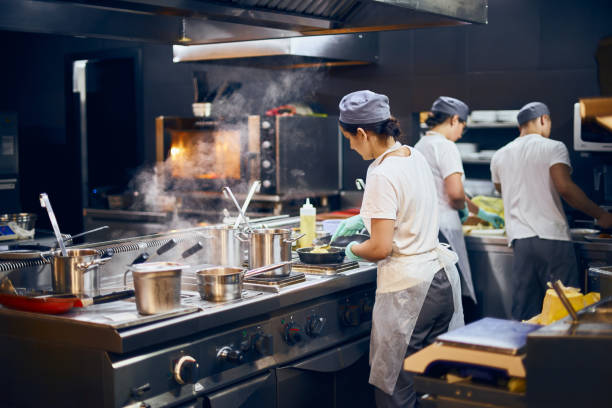
    Perfectly cooking a steak is more than a simple process; it takes practice. For example, chefs in these establishments are probably experts in their craft. They know the subtleties of different cuts and different cooking methods, from swimming up to basting, broiling, and pan-searing, down to a science. This expertise helps to serve the perfect piece of meat according to your preference.

    Ambience and Atmosphere

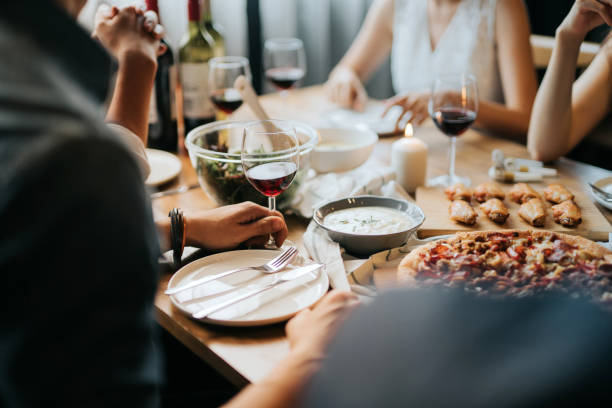
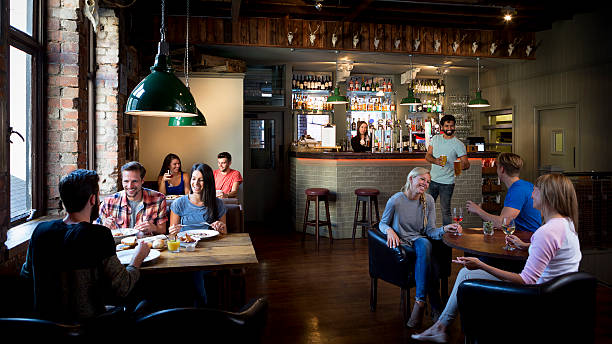
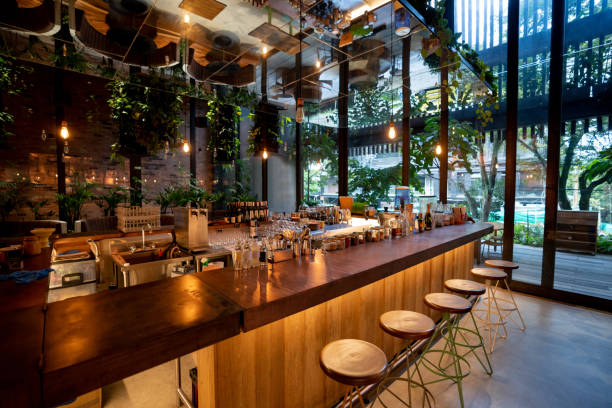
    A good meal can taste better inside a certain atmosphere. The steak restaurants tend to create a warm, inviting environment. The ambience targets a relaxed, intimate setting through the use of dim lighting, classy décor, and comfortable seating. It makes every meal more enjoyable, so you feel like every visit is a special occasion.

    Attentive Service

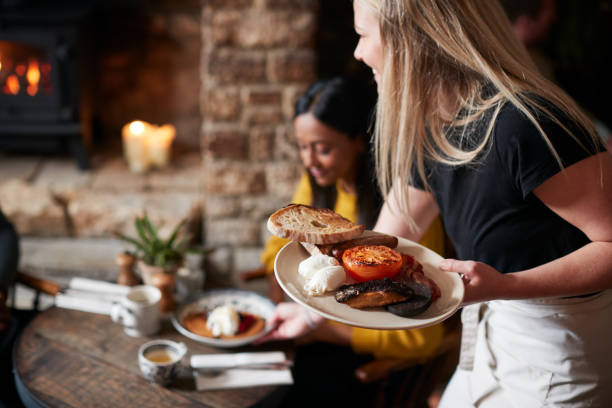
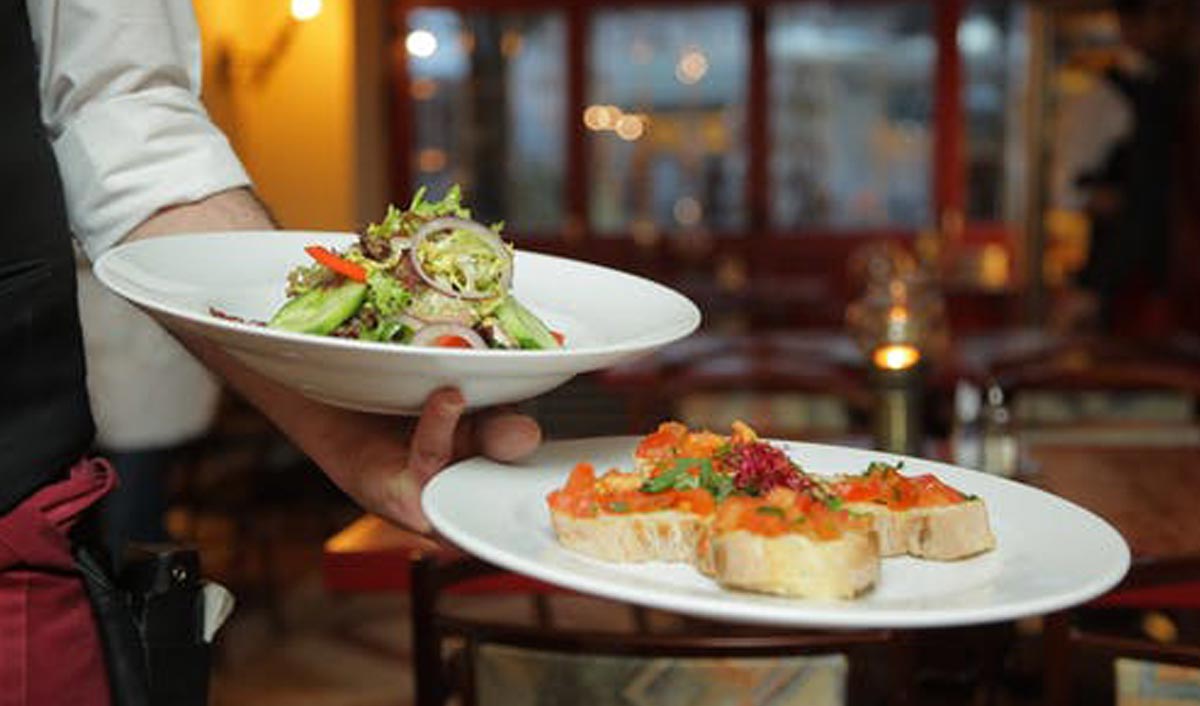
    Whether or not service is what makes the meal unforgettable, steak restaurants often have attentive, knowledgeable staff who are well-trained on steak. They help diners choose their ideal cut, suggest wine pairings, and see to it that every need is anticipated and quickly met. It makes guests feel special and adds a level of service to the experience.

    Unique Menu Offerings

    In addition to the timeless steakhouse staples, standout menu items make many of these restaurants special. Creative appetisers, diverse side dishes, and decadent desserts offer variety and appeal to palates. This variety enhances the dining experience, allowing guests to enjoy a range of flavours and an exceptional meal.

    Wine and Beverage Pairings

    A good pairing of food and drink makes a meal even more enjoyable. Steakhouses always have a terrific wine list designed to work with their food. Experts assist in choosing the drink that will complement and elevate the experience of food while bringing out the best in taste, which plays a major role in the location’s hospitality. The consideration of what to drink adds an extra dimension to the experience.

    Community and Connection

    Dining out is more than food; it is a connection. Steak restaurants are often like a neighbourhood bar where you can meet a friend right after work or a business friend, where the mood is more likely to call the shots. Be it a family dinner or a business meeting, these restaurants offer a place for folks to meet and share moments to remember.

    Consistency and Reputation

    Reputation is built on consistency. So many steak restaurants have become staples in our dining lexicon, setting dark wood finishes and zeppelins of wine to treat you to high-quality experiences. Guests return time and again, knowing they can always expect the same level of excellence on every visit. Greater reliability and the loyalty that follows reinforce the restaurant’s reputation among an expanding group of dining relationships.

    Innovation and Tradition

    Tradition is important, but innovation keeps steak from getting stale. Most restaurants maintain a mixture of the classic with the new, which is appealing for both conservatives and the adventurous. This mix of past and future guarantees a continuous stream of newness to look forward to.

    Conclusion

    Steak places are successful in providing an unforgettable dining experience through high-quality ingredients, precise preparation, a warm atmosphere, good service, and inventive options. Through a focus on these elements, they work to create a lasting experience that resonates with diners. However, they remain a popular go-to for a filling and Instagrammable meal.
  • Three charts show what and how Australians eat. Hint: It’s not very good

    Three charts show what and how Australians eat. Hint: It’s not very good

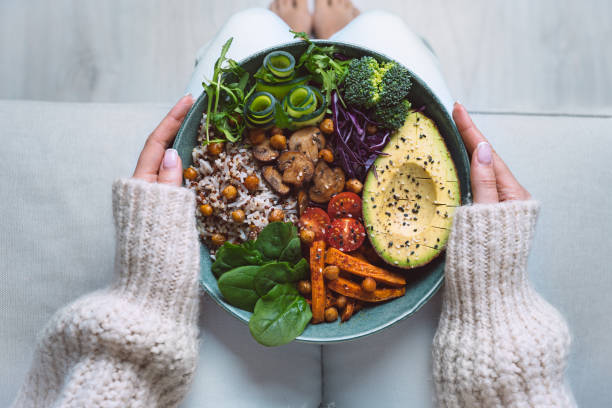
    The report shows that Australia’s overall food consumption patterns have not changed much between 1995 and 2011. The report shows that there has been a slight decline in discretionary food consumption, but some trends have shown an increase in meat and grain products.

    The message of eating more vegetables does not work. Since previous surveys, there has not been a change in the vegetable consumption of children and adolescents. However, it has decreased in adults. The new data shows that all Australians are far below the daily recommendation of five servings. We are getting closer to the one to two servings of fruit per day recommended by health experts.

    Australians consume around four servings of grains, including cereals and breads, as opposed to the three to seven recommended.

    A serving of vegetables is equal to 1/2 cup cooked vegetables. Fruit is equivalent to a medium-sized apple, while grains are similar to 1/2 cup of pasta. For dairy and meat alternatives, a glass of milk or 65-120g cooked meat is the equivalent serving.

    Since 1995, added sugars and saturated fatty acids have contributed less to Australians’ daily energy intake. This could be due to the slight decrease in food consumption for all age groups.

    But discretionary food consumption remains well above the recommended 0-3 servings. The average child aged 2-3 years eats more than three servings per day. This number peaks at seven daily serve for 14-18 year-olds. Even in adulthood, the pattern is high. The 70+ group consumes more than four servings per day.

    Read more: Junk food packaging hijacks the same brain processes as drug and alcohol addiction.

    The excess intake of discretionary foods is the most concerning trend in this report. This is due to the doubleheader of their poor nutrient profile and being eaten in place of important, nutrient-rich groups such as vegetables, whole grains and dairy foods.

    In our simulation modeling, we compared strategies for reducing discretionary food consumption in the Australian population. Our simulation modelling showed that reducing discretionary food intake by half, or substituting half of the discretionary choices for five food groups, would result in significant reductions of energy intake and “risk” nutrients such as sodium and added sugar.

    Discretionary food is a major contributor to the discretionary food market

    Alcohol is often a forgotten choice. The NHMRC guidelines 2009 state:

    Drinking no more than two standard drinks per day for healthy men and women (and no more than four standard drinks in a single event) will reduce the lifetime risk from alcohol-related diseases or injuries.

    Alcoholic drinks make up more than one-fifth (22%) of the discretionary food consumption for adults aged 51 to 70. Since 1995, the consumption of alcohol by adults aged 51 to 70+ has increased. This group of people includes those at the height of their career, retired people and older people. This complex picture would include factors like loneliness, isolation, and mental health issues, as well as stress and increased leisure.

    Read more: Four ways alcohol is bad for your health

    Young children have small appetites, and every bite matters. The guidelines suggest 2-to-3-year-olds should have very limited exposure to discretionary foods. In studies, the greatest levels of excess weight are seen in preschool years.

    The main source of sugar added to young children’s diets is biscuits, cakes, and muffins. They are also a major source of sugar, energy, and saturated fat in children. It is during this time that children form their long-lasting food preferences and habits.

  • How you can get people to drink sewage and eat bugs

    How you can get people to drink sewage and eat bugs

    It is not all bad. Disgust has its advantages. Its origins are likely rooted in the survival instinct to avoid anything that tastes or smells bad. It may also prevent us from adopting a more sustainable lifestyle, such as eating other sources of protein or drinking reclaimed water.

    Can anything be done about this? The fact that disgust varies between cultures and across ages implies it can. But how?

    In order to find out, we first had to understand how disgust is expressed. We focused on the hate that people feel when they choose food for everyday use and not on their aversion to the unfamiliar or unknown.

    Our research shows that some responses to disgust, once established in childhood, can be hard to change. The reactions that are based on culturally conditioned notions of what’s “natural” can be changed over time.

    In Thailand, insects have been a part of the culture for a long time. Narong Sangnak/EPA

    Do not eat this!

    Disgust likely began as an emotional reaction to “basic” contaminants, such as food that smelt and tasted bad. It was originally a “don’t eat that” emotion.

    The disgust system is “conservative,”” i.e., it rejects valid sources of nutrition with characteristics that suggest they may be risky and guides us to food choices that seem safer. According to research by University of British Columbia psychologist Mark Schaller, people living in areas where disease rates are historically high have not only stricter rules for food preparation but more conservative cultural traditions as a whole.

    It is not clear when or how individual templates of what is disgusting were set. However, what is considered “disgusting” is generally set fairly early in life. Disgust is shaped by culture, learning, and development.

    It’s not natural!

    In our research, we asked 510 adults to rate the “normal” and alternative products using an online survey. We also asked how much they were willing to pay for these alternatives. They were also asked to rate the product that was healthier, more natural, and visually appealing. Pairs of products included:

    Out of shape: by using fruits and vegetables that are common, the results of the study were not affected by the fear of the unfamiliar. www.shutterstock.com

    Even after statistically correcting for obvious factors such as pro-environmental attitudes and propensity to dislike, our results show that those with greater “disgust tendency” are less likely to consume atypical products (products that look weird).

    It may seem obvious, but many previous studies have confused a food’s “novelty” with its potentially disgusting qualities (by asking, for instance, if people would eat bugs). Our study shows how disgust can influence what we eat by asking people about common fruits and veggies.

    As importantly, our results suggest evaluations of a product’s perceived naturalness, taste, health risk, and visual appeal “explains” about half of the disgust effect.

    This was due to the lack of perceived “naturalness.”” This result is consistent with other studies which have examined attitudes toward eating bugs and lab-grown meat. This is an area that social marketing can take advantage of.

    Treatments

    Marketing campaigns that promote “natural” products could be effective in changing attitudes. It’s been done before. Take a look at this advert to reduce sugar consumption.


  • Improving Dining Experiences and Increasing Revenue for restaurants

    Improving Dining Experiences and Increasing Revenue for restaurants

     These data points aid restaurants in create the best customer experience.


    Data has changed practically everything that we do. It may sound to be obvious, but regardless of whether we’re aware of it, data is the basis for almost every decision we make.

    On a personal level, it usually entirelyneeds to be more informed. The decision to take the exact route to work or my choice of food at my favorite restaurant, depends on a set of data we use to inform us. Naturally, such options have little impact. To make more critical decisions, using the data already in place is essential, and since data has become readily stored, aggregated and analyzed, and analyzed, we’ve become more adept at utilizing it.

    For restaurant owners or other hospitality-related businesses, it is essential to keep track of information about each touchpoint in your business that should be easily accessible through the POS program. Data points of crucial importance are created each when an order is placed and the payment is made. While individual metrics might be beneficial in their own right, they can be instrumental in revealing your company’s strengths, weaknesses, and potential when analyzed and collected.

    What do we do from now? The data is there; however, how do you utilize this data to inform your operational choices?


    Customer data

    When you run a restaurant, your customers must always be your most crucial concern. Again, this seis a simple assertion, but let’s dig deeper into this issue. What’s new is that every person who enters your restaurant leaves it with a record of information that can be utilized to enhance the frequency of their visits and increase your company’s profits. This includes keeping track of what items on the menu that customers choose, what time they go to the restaurant, which day of the week they visit, the amount they spend, and the type of food they bring.

    Based on this data, it is possible to tailor your menus and advertising to target your valuable potential customers more effectively. For instance, if the information indicates that a specific product is well-liked by a particular segment of the population that you recognize has a high probability of buying high-profit food items when they are dining with you. You want to highlight the item in your marketing campaigns or even with your staff in sales contests or on the printed menus.

    By offering specials and meals specific to your customers’ tastes, restaurant owners can) enhance customer satisfaction and encourage more frequent visits, and) aid in increasing their revenue and, most importantly, profits by aligning their customers’ needs with their top-profit products.

    Related: Owning Your Customer Data Is the Key to Profitability. Here’s Why.

    Personal data of employees

    Since they are the first interaction with clients, employees are among the most crucial sources to uncover insights that could enhance your company. While employee feedback is the initial step, the information about your employees’ jobs could be transformative.

    Restaurant owners can use employee data to increase sales by studying employee focus and productivity. This is more than just tracking the hours of work or the revenue. The next step is based on the information these tools offer. For instance, it is found that employees who are given extensive training regarding the menus and specials at your restaurant are likely to have more sales. In that scenario, you could invest in more thorough employee education to increase sales overall.

    A restaurateur should also consider the type of guests they entertain at various times of the week or day and adjust the schedule to ensure they have the appropriate staff in the correct shifts.


    Another illustration: Tony is great at selling guests premium wines but could be more effective at promoting the meal that day. However, Susan is the opposite and is excellent at promoting the menu and ensuring guests are served some extra dishes. Let’s utilize data and information to align Susan’s shifts with the lunch crowd to increase the revenue from food and Tony during the evenings and weekends to boost the wine sales.


  • The Australia restaurant chain

    The Australia restaurant chain

    It is scheduled to bring its “great burgers and insulting service” to Chicago residents this week in an event in the form of a pop-up.

    A waiter gets the microphone at Karen’s Diner allowing customers to participate in various questions.

    Karen’s Diner is an unusual chain in the restaurant industry: it promises rude servers and poor service.

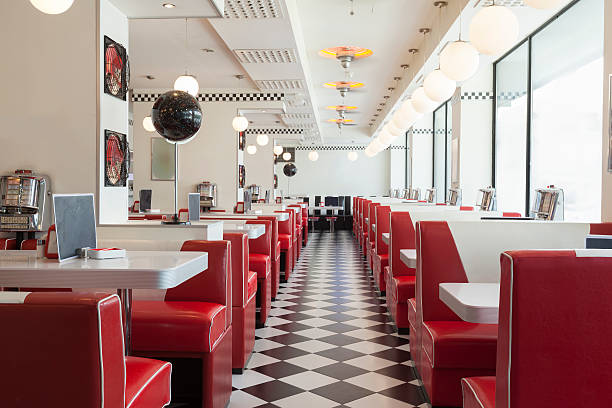
    Afflicted the title of”an “interactive diner,” the “interactive diner” Australian-based restaurant focuses on the Karen stereotype in the sense of “being a Karen” “being a Karen” to its poor dining experience and amplifies it, making rudeness and forced games a part the enjoyable. The waiters are extremely ruthless, and one patron notes the server’s request: “Do you want me to wipe your arse for you as well?” When the server “dared” to ask for mayo and ketchup.

    There are some guidelines to ensure the horror and comments are not racist, and no sexism, homophobia or sexism or body image-related remarks, and no comments about ableism.

    The chain has over two dozen locations across seven countries, from Singapore to Singapore to Canada. After opening its debut U.S. location in St. Louis in the past year, it’s launching its first pop-up shop in Chicago next week.

    Related: This Company Will Hire a ‘Karen’ to Complain For You So You Don’t Have To

    Chicago Media Takeout claimed it’s an experience similar to Chicago’s Ed Debevic’s and Wiener’s Circle -two restaurants that boast of providing unsatisfactory service, with rude servers deliberately.

    Its Instagram pictures a waitress from Karen’s Diner tersely dropping the food onto the table and then giving the customer a middle finger before taking a bite out of their food and leaving.

    The cafe generally had positive reviews about the specific ” decidedly trashy and super fun” experience; however, the reaction on social media was not particularly interesting at best.

    “No idea what the fun part about this is. It’s not appealing at all,” one person said.

    “Why would someone go to a place like this?” Another person wrote.

    But Karen recognizes that there aren’t any guarantees. The chain is open about its dining experiences, saying customers are expected to experience “madness,” per the company’s site.

    “Can’t complain, You don’t go for the food, you go for the experience and knowing this will happen,” one user wrote on the thread.


  • How to Open and Start the Restaurant Step-by-Step

    How to Open and Start the Restaurant Step-by-Step

    The process of opening and launching a new restaurant is a thrilling venture. It’s an exciting and challenging endeavor however, the effort that you put into it will result in a positive return.

    A restaurant’s success depends on using a solid business plan, knowing your local marketplace, locating the perfect location and staff getting permits and a license to operate, coordinating the inventory and supply, creating menus that will appeal to your customers, and so on.

    A lot is going into the process. If this is your first time, it’s essential to look at more than the opening and think about strategies for creating money that allows you to go further than breaking the bank. However, with the right direction, you can make your dreams of owning an acclaimed restaurant a reality.

    This guide will provide all the information you require to know about the process of starting and operating an establishment. The focus will cover everything from making a brand-new business plan to establishing operations and promoting your restaurant. Following this step-by-step, you can open a thriving establishment lasting many years.

    Every restaurant has a different appeal to everyone. This is a fact many newer entrepreneurs need help acknowledging, yet the truth is that you’ll need help to capture 100% of the marketplace. If you try to satisfy everyone, you will not please anyone. Therefore, focus on the 5-10 percent market share you can acquire and ignore the others.

    In that case, who eats in restaurants? Let’s take a look at the most critical segments of the food service business’s customers:

    • Generation Y. Generation Y, also known as”the “millennial generation,” the “echo,” or the “boomlet” generation, is comprised of people born between the years 1980 to 2000. Generation Y is by far the most multi-ethnic generation and is three times larger than Generation X. They are the ideal customer for any food-service company. Generation Y members Generation Y go for fast-food and quick-service food items. Around 25 percent of their dining out trips are to franchises for burgers, then pizza places with 12 percent.
    • Generation X. Generation X is a name that refers to those born between 1965 and the year 1980. The Gen X group is known for its strong values of family. While previous generations tried to make more money than their parents, Gen Xers are likely to be focused on their relationship with their kids. They’re concerned about the value of their food and prefer fast-service eateries and mid-priced operations with salad bars for all-you-can-eat and buffets. You must provide a relaxing setting focused on quality and atmosphere to attract this segment.
    • Baby boomers. Born in 1946 and 1964, the baby boomers comprise the largest percentage of the U.S. population. Most prominent in this generation are professionals with a high income who can afford expensive restaurants and spend without restriction. In the 1980s, they were the most popular clientele for stylish, fashionable eateries. The 1990s were a time when a lot of baby boomers were in two-income families with children. Nowadays, people on the forefront generations of boomers are turning into grandparents, which makes them an ideal target for establishments that cater to families in a welcoming setting and the most elegant, traditional dining environment.
    • The empty nesters. This category includes people who fall between the baby boomers and the seniors (people in their 50s until age 64). They typically have children who are no longer at home. Their number will continue to rise as the baby boomers become more affluent and children move out of their homes. With all generations’ highest discretionary earnings and income per capita, these people tend to go to high-end dining establishments. They’re less concerned about cost and more focused on outstanding service and exceptional food. Attract this crowd with sophisticated surroundings and a refined setting.
    • Seniors. The senior market is the majority of those 65 years old or older. In general, seniors have fixed incomes and might only sometimes be able to pay for expensive dining out often, so they typically frequent family-style restaurants with excellent service and reasonable costs. “Younger” seniors are likely to be more active and possess greater disposable earnings than “older” seniors, whose health could decline. Seniors generally prefer restaurants with menus for seniors and early bird specials with a lower cost and smaller portions, as their appetites tend to be less nourishing than those of younger individuals.

    Restaurant Service Styles

    Restaurants can be classified into mid-scale, quick-service, and high-end. Quick-service restaurants are also referred to as fast-food eateries. These establishments have limited menus of foods that are cooked quickly and are sold at meager prices. They typically have drive-through windows and take-out services alongside very informal dining places.

    .

  • A restaurant is owed

    A restaurant is owed

     The phony priest was said to have demanded employees to tell them if they’d been late and took cash in the eatery.


    California, the restaurant’s owner will have plenty of atoning work following his making employees confess to their workplace crimes.

    The Garibaldi, who owns two Taqueria Garibaldi locations in northern California, has allegedly hired an untrue priest to lure workers into making confessions for them to “get the sins out” and admit to any wrongdoing that occurred during work hours, as per the U.S. Department of Labor. The fake priest is said to have asked employees a variety of related to their work, including whether they had been late to work, taken money from their employer, or displayed “bad intentions” toward their boss.

    An investigation conducted by the Wage and Hour Division of the Department of Labor found that the restaurant infringed on the Fair Labor Standards Act by refusing employee overtime pay. In addition, the restaurant illegally paid managers through the tip pool of employees and threatened workers with “adverse immigration consequences” for cooperating with the investigation in the release. Announcement.

    RELATED: The Most Disgusting Thing’: Woman Allegedly Finds A Rat Floating In Her Soup

    A worker presented evidence in federal court describing the circumstances of the confessions and the events surrounding them; a judge ordered Garibaldi, as well as his operators Eduardo Hernandez, Hector Manual Martinez Galindo, and Alejandro Rodriguez, to pay a total of $140,000 back wages and damages.

    “Federal wage and hour investigators have seen corrupt employers try all kinds of scams to shortchange workers and to intimidate or retaliate against employees but a northern California restaurant’s attempt to use an alleged priest to get employees to admit workplace ‘sins’ may be among the most shameless,” the prosecutors claimed.

    The identity of the priest remains not known.

    Sam Silverman is a content strategy editor at Entrepreneur Media. She is a specialist in search engine optimization (SEO), and her work can be seen on The U.S. Sun, Nicki Swift, In Touch Weekly, Life & Style, and Health. She is a journalist on behalf of our team in the news, focusing on exposing scandals. Her expertise and coverage range from business news, entrepreneurship, technology, and even true crime to to the latest television and entertainment news. Sam graduated from Lehigh University and currently resides in NYC.

  • Essential Automation Technologies for Your Restaurant

    Essential Automation Technologies for Your Restaurant

    The term automation is often a source of a negative reputation. In the past, restaurants have been reluctant to implement new technologies, often because of fear of what might be unknown and other times due to fear of losing the personal touch that’s so important in running an establishment. The situation is changing.

    Automation is now easier than ever before. 57% of restaurant owners believe introducing modern technology over the past two years was crucial for survival. Because of necessity, several restaurant owners embraced automated technologies amid the pandemic. They were amazed by the extent to which automation could simplify complex tasks, allowing them to manage their businesses better without losing that vital human element.

    From ordering online and kitchen display, look through our top five automation tools your business should have.

    Related: Kitchen Automation Is Revolutionizing the Food Industry

    1. Online and QR code order

    Customers can order through mobiles through the QR code or digital menus for dining in-house or ordering takeout. This way of ordering allows customers more excellent choices over how they dine. It will enable staff to concentrate more on providing an overall experience for customers instead of simply taking orders.

    The popularity of online ordering has increased significantly in recent years. In fact, according to an earlier Lightspeed study, it was one of the top three tools in 2022, second to technology for task automation (including the use of QR codes for ordering) and shift technology for managing shifts. Thirty-six percent of companies thought that, of all the tools, they believed that new or improved online ordering systems helped their operations the most.

    The convenience of online ordering can help generate revenues. 34% of customers who purchase food online pay a minimum of $50 per transaction, and those who place an order online return to the site 67% more often than those who do not.

    Related: The Digital Divide: 3 Reasons Why Some Restaurants Outperform Others

    1. Customer-facing displays

    Transparency is crucial when dealing with customers. In fast-service settings, having a visible display to customers will reduce back-and-forth communication and possible problems at checkout. A collection that is visible to customers is usually near the counter. It shows a breakdown of the purchase and displays the total amount of checkout, percentages of items purchased, and other information that is important for the buyer. The addition of displays to your store improves the overall customer experience and minimizes the chance of making mistakes with the cashier’s point of sale.

    Platforms for delivery and takeout from fine restaurants to fast-service restaurants More restaurants than ever offer delivery. Deliveries are commonplace for many households, and 60 percent of U.S. customers order takeout or delivery every week. Making delivery arrangements in-house is, however, expensive and complicated logistically. Many restaurants utilize third-party services like Uber Eats and DoorDash to deliver food and connect with more customers. With all the competing platforms handling delivery orders can be challenging. Finding the right Point of Sale, which automatically integrates all of your delivery orders into one place, can help you manage your orders that come in without issue.

    Related: 3 Automated Lead Generation Strategies To Implement In Your Sales Process

    1. Kitchen display systems

    Restaurants are as efficient in their communication with both sides of the house. If you’re using paper and pen or printers to record orders, it’s not uncommon for orders to go missing or misunderstood when advising staff at the back of the house. Kitchen displays can be a fantastic solution to recurring communication issues.

    The displays are situated at the back of the house. They allow staff to see the orders arriving. When you have a show in your kitchen, it’s easier to avoid back and forth running around in front of the house, and less accidents, mess, or waste. Kitchen displays paired with iPads ensure that the flow of information is effortless, ensuring that any information inputted will be passed on directly to kitchen personnel.

    1. Automated inventory management

    Inventory management can determine a food establishment’s success or failure. Make it a priority, cut down on expenses and ensure you always have the required items. If you don’t, you’ll be short of crucial things during hectic shifts and see your inventory and waste costs grow. This vital step should be addressed. Inventory management is also a routine daily procedure easily victim to human errors. Automating inventory counts makes it simpler, which helps restaurants cut back on the amount of waste they produce and track the usage of each ingredient. With the help of an inventory management program that is automated and connected with your restaurant’s point of sale, you will be able to quickly determine what food items are in stock as well as how much you have used up and the quantity you’ll have to purchase.

    Automation is in the making to serve the best.

    From staff shortages to price hikes, Restaurants need to be flexible to succeed or even withstand the industry’s endless problems. Automating processes will not only assist restaurants in finding ways to cut costs and lower expenses, but it can also allow staff to be more efficient so they can concentrate on the most critical things giving a memorable experience for customers and keeping them happy.


  • What makes Experiential Dining a memorable experience

    What makes Experiential Dining a memorable experience

    Customer experiences. For instance, with more than 660,000 restaurants across the US, dining out patrons are spoiled for choices. What sets restaurants distinct from the rest?

    The opinions expressed by contributors to Entrepreneur are their personal opinions.

    As more restaurants open and expand, the need to differentiate is becoming more critical. Experiential dining is now an opportunity for restaurateurs to escape from the traditional eating rules and create distinct themes, experiences, and culinary experiences that patrons want to experience.

    As consumers demand higher quality from their evenings out, dining experiences quickly become a significant challengein the culinary world.

    A twist on dining out

    Experiential dining is a departure from the traditional notions of dining by including multisensory experiences in the mix. It’s an unforgettable and unique experience that seeks to test the standard dining expectations with imaginative menus, sensory-focused eating themes, theatrical elements, and individual locations and events. This type of dining can provide an immersive experience that stimulates all senses and offers unforgettable memories.

    Experience dining has been in existence for a long time. Still, it has seen a renewed interest in recent times due to the increased market competition within the hospitality business and the increasing popularity of pop-up restaurants. In the end, restaurateurs are aware of the need to provide distinctive dining experiences that meet the needs of contemporary consumers. As per Eventbrite, 75% of people who dine prefer to pay more for a unique dining experience. They are looking for more than just great food. They are seeking a memorable experience (76 percent) and a special menu or a theme (84 percent), and an unforgettable experience (74 percent). This trend is causing restaurants to become more innovative and has opened the doors to creative concepts.


    From talk easy into a multisensory experience

    Experiential dining is virtually everything. There isn’t a single definition that covers all kinds of experiences offered; common themes are shared by the most popular restaurants that offer experiential dining.

    Consider Atomix NYC, for example. Its James Beard Award-winning eatery is an exquisite dining establishment focused on the finer details and experience. When you arrive, guests can enjoy the chic ground-floor bar and cocktail area or the skylit lounge to enjoy drinks before dinner and snacks. Then, guests will find seats at the intimate U-shaped counter near the open kitchen in the striking basement. BeforeBefore the first of 10 courses are served, guests can choose their chopsticks from a curated collection. The guests receive an invitation card and menu cards that detail the ingredients, their origins, and their inspiration.

    Experiential dining isn’t restricted to restaurants that are fine. Cafes like Meomi Cat Cafe have taken coffee to a new level by incorporating animals. These themed cafes, referred to by their cat names, revolve around real cats. Cafes are home to felines who nap, play and eat in the same area as guests, allowing patrons to play and interact with them.


  • Restaurant  China XO

    Restaurant  China XO

    In addition to Chennai’s biggest asset is its population. The city is also well-known for its exquisite dining and elegant al-fresco dining. In recent times Chennai has been able to enjoy the added glitz of modern glamour with luxurious hotels, vibrant clubs, beautiful cafes, and stylish eateries. Some of them are renowned for their delicious food options in Chennai. From southern India, from south Indian to Italian, American, Japanese, and even Chinese,, You will surely discover at least two or three excellent places to visit. But in the case of Chinese specifically, there’s a place that meets all of the criteria, and it’s China XO, located at Leela Palace Chennai.

    China XO is a popular location for a lot of Chennaites as well as tourists. It’s been there for many years, and, despite the numerous Chinese restaurants that pop up in downtown Chennai, this spot remains a stalwart. Recently, this restaurant held a pop-up shop at The Leela Palace in Delhi and Gurgaon to showcase an experience of chef Tej B Saru Mgr’s delicious food offerings at China XO, The Leela Palace Chennai.

    The menu is extensive, and the starters include various choices ranging from lamb, seafood, or lamb to pork and even vegetarian options. We chose Sichuan Chilli Chicken with peppercorn with lantern chilies, and green onion was an obvious winner.

    For the main course, We tried a dish of incredibly delicious Chilli Lobster, served with steamed man tau buns and Wok Fried Garlic Flavored Seasonal Greens. It will surely make even the most staunch non-vegetarians love the comforts of a tasty vegetarian dish. In terms of comfort, their Prawns served with a butter-garlic sauce are the kind of dish that no seafood lover would resist. They’re great for cravings for something delicious and crispy on a cheat day.

    China XO offers a tasty meal with exciting and familiar flavors. If you’re in Chennai or visiting it, we recommend you dine in China XO, The Leela Palace