Blog

  • How Steak Restaurants Deliver Unforgettable Dining Experiences

    How Steak Restaurants Deliver Unforgettable Dining Experiences

    For decades, steak restaurants have been more than just a meal. They offer lasting memories. What makes these places so attractive? Many reasons make them special—the quality of the meat and the atmosphere that they create. In this post, we will explore how steak restaurants design memorable moments.

    Quality of Ingredients

    One of the most attractive elements of a steak restaurant in South Yarra or other regions in is that they use high-quality ingredients. They typically obtain high-quality, tender, and flavorful cuts of meat. The selection process is very thorough, with special focus on freshness and sustainability. In selecting the finest, they secure the building blocks of a memorable meal.

    Skilled Preparation

    Perfectly cooking a steak is more than a simple process; it takes practice. For example, chefs in these establishments are probably experts in their craft. They know the subtleties of different cuts and different cooking methods, from swimming up to basting, broiling, and pan-searing, down to a science. This expertise helps to serve the perfect piece of meat according to your preference.

    Ambience and Atmosphere

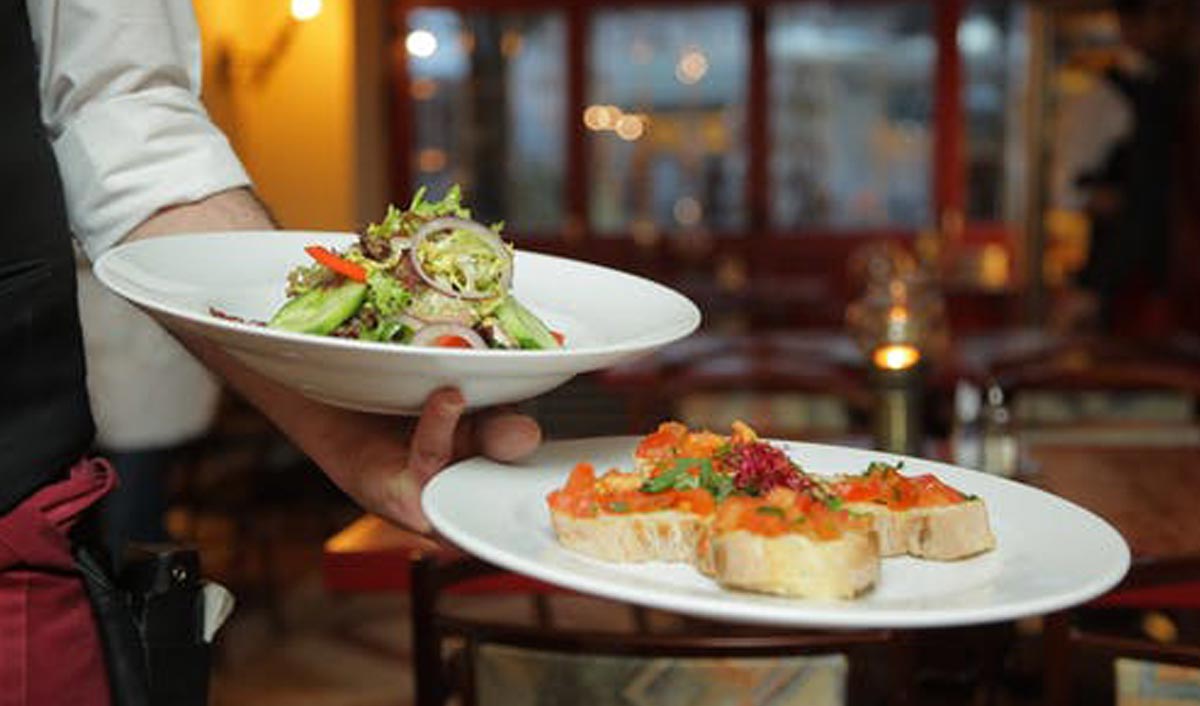
    A good meal can taste better inside a certain atmosphere. The steak restaurants tend to create a warm, inviting environment. The ambience targets a relaxed, intimate setting through the use of dim lighting, classy décor, and comfortable seating. It makes every meal more enjoyable, so you feel like every visit is a special occasion.

    Attentive Service

    Whether or not service is what makes the meal unforgettable, steak restaurants often have attentive, knowledgeable staff who are well-trained on steak. They help diners choose their ideal cut, suggest wine pairings, and see to it that every need is anticipated and quickly met. It makes guests feel special and adds a level of service to the experience.

    Unique Menu Offerings

    In addition to the timeless steakhouse staples, standout menu items make many of these restaurants special. Creative appetisers, diverse side dishes, and decadent desserts offer variety and appeal to palates. This variety enhances the dining experience, allowing guests to enjoy a range of flavours and an exceptional meal.

    Wine and Beverage Pairings

    A good pairing of food and drink makes a meal even more enjoyable. Steakhouses always have a terrific wine list designed to work with their food. Experts assist in choosing the drink that will complement and elevate the experience of food while bringing out the best in taste, which plays a major role in the location’s hospitality. The consideration of what to drink adds an extra dimension to the experience.

    Community and Connection

    Dining out is more than food; it is a connection. Steak restaurants are often like a neighbourhood bar where you can meet a friend right after work or a business friend, where the mood is more likely to call the shots. Be it a family dinner or a business meeting, these restaurants offer a place for folks to meet and share moments to remember.

    Consistency and Reputation

    Reputation is built on consistency. So many steak restaurants have become staples in our dining lexicon, setting dark wood finishes and zeppelins of wine to treat you to high-quality experiences. Guests return time and again, knowing they can always expect the same level of excellence on every visit. Greater reliability and the loyalty that follows reinforce the restaurant’s reputation among an expanding group of dining relationships.

    Innovation and Tradition

    Tradition is important, but innovation keeps steak from getting stale. Most restaurants maintain a mixture of the classic with the new, which is appealing for both conservatives and the adventurous. This mix of past and future guarantees a continuous stream of newness to look forward to.

    Conclusion

    Steak places are successful in providing an unforgettable dining experience through high-quality ingredients, precise preparation, a warm atmosphere, good service, and inventive options. Through a focus on these elements, they work to create a lasting experience that resonates with diners. However, they remain a popular go-to for a filling and Instagrammable meal.


  • Food Consumption Patterns in Australia: How Covid Changed Food Trends

    Food Consumption Patterns in Australia: How Covid Changed Food Trends

    Lockdowns have forced many Australians to reconsider their lifestyle and consumption habits. The virus’s negative effects are felt in all areas. This includes the closure of businesses and a decline in mental health. The ripple effects of these impacts are felt across all sectors, both economic and social. As an example, consumers’ digital habits have evolved. It is not surprising that they spend more time reading news websites. This effect is not as direct, but it has affected Australians’ food habits. Brands that identify these habits early can engage in well-thought-out strategies to help them solidify their position at the forefront of the minds of consumers. This article examines those habits and some of the actions brands can take to increase their brand’s presence with consumers.

    Australia’s Food Consumption Patterns

    Four major trends have emerged in how the pandemic has affected Australians’ food consumption. This includes more home-cooked food, convenience, snacking, and discretionary consumption.

    1. Home-cooked meals are on the rise

    No surprise that more Australians have been cooking at home during the pandemic. The lockdowns and the inability to dine out at restaurants have forced people to cook their meals. IAB Australia’s and Pureprofile’s Australian eCommerce September 2020 report shows that COVID-19 significantly influenced the shopping behavior of Australians. Within the online grocery sector, it increased by 37% compared to last year.

    Australian Bureau of Statistics shows supermarkets and grocery store sales have increased significantly in March 2020. Major Australian retailers like Woolworths have a 28 percent increase in sales compared to last year. The Australian Bureau of Statistics (ABS) has reported that supermarkets and grocery stores have seen a significant rise in March 2020 sales. Major Aussie retailers such as Woolworths, for example, recorded a 28 percent jump from last year.

    According to Australia’s Interactive Advertising Bureau (IAB),  trends show Aussies visit more food and cooking websites, with a 31% increase in the time spent during the week of July 12. Advertisers and affiliates need to factor this trend into their future content and campaigns.

    2. Increased consumption of discretionary foods

    Australians have become more prone to eating unhealthy food due to the lockdown. Stress from the pandemic has caused people to turn more and more to comfort foods and snacks. Dieticians and nutritionists in Australia are concerned about the rising obesity and overweight levels due to the COVID-19 lockdowns.

    Australian dietary guidelines suggest eating more portions of nutritious foods such as fruits, vegetables, and grains while limiting consumption of discretionary food with saturated fats, added sugars, salts, or alcohol. Statistics show that the trend is in the opposite direction. Data from CISRO, for example, shows that 61 percent of Australians on lockdown increased their junk food intake, and 63 percent recorded an increase in snacking.

    A study (11 ) conducted by CQUniversity also found that over 26 percent of participants had reported an increase in their alcohol consumption. In the same survey, 48.9% of respondents reported that they had become less active after the pandemic.

    3. The need for convenience is growing

    Lockdown fatigue is increasing as lockdowns continue to extend. This fatigue leads to a lack of motivation, and people turn towards convenience food. Takeaway orders and food delivery service sales have also skyrocketed. Deliveroo reports that takeaway orders grew a record 579 percent in April 2020. This was a month when lockdowns reached their height. Deliveroo records that customers are ordering dinner earlier and that Saturday night orders have now surpassed Friday night orders. This is a clear indicator of lockdown effects.

    The demand for pre-made meals is another form of convenience. In recent weeks, lockdown fatigue has led to a significant increase in demand for Australian food subscription services. Food subscriptions offer value to Australians who cook at home. They eliminate the hassle of planning meals and deliver the products directly to their doorsteps.

    4. Plant-based diets are becoming more popular

    In Australia, there are 2.5 million vegans and vegetarians. The number of products in Australia with the vegan label has increased from 94% to 44.1 million from 2015. This shift is attributed to the Millennial generation, as this plant-based diet movement does not have age or demographic restrictions. Even those who do not understand Australia’s eating practices are aware of the power of information and how it can benefit them.

    Brand Strategy and Action

    Brands in the industry are able to take action based on their insights. Three specific actions are outlined.

    1. Increased Takeaway Capacity

    A report from McKinsey states that the indoor dining experience may not be restored to its level pre-pandemic for many years. Restaurants should increase takeaway capacity in order to remain open. Optimizing the layout of their restaurants for drive-throughs and take-outs is one way to do this. Restaurants should aim to minimize cooking time, ensure that food is suitable for takeaways, and get customers into and out of their venue as quickly and efficiently as possible.

    2. Existing business model re-examined

    Businesses should re-strategize in order to survive in this industry. This means examining how they work. Restaurants could, for example, negotiate longer-term agreements with third-party companies that deliver food and sell fixed assets no longer needed in their new business models. Some reports show an increase in Ghost Kitchens, where restaurants only operate through deliveries and takeaways instead of building a physical structure.

    3. Healthy, Ready-to Meals are a great investment.

    Brands can be ambassadors of healthy meals and give the public the chance to reduce the consumption of discretionary food and increase the intake of nutritious foods. Businesses can gain brand recognition among consumers by including ready-to-eat meals on their menus. They will not only be able to capitalize on a growing market but also benefit from growing demand. Healthy, ready-made meal brands are popular because they offer the convenience that customers need when they don’t have time to prepare their meals.

    Businesses in the food sector can take advantage of the pandemic to expand and reach a new market. If you’re a brand that wants to expand your online reach, contact our sales team at Commission Factory. Join Commission Factory if you’re a publisher who wants to promote food brands.

  • Food-based dietary guidelines – Australia

    Food-based dietary guidelines – Australia

    In February 2013, the National Health and Medical Research Council published new Australian dietary recommendations. The fourth edition of Australia’s dietary guidelines (first edition 1982; second edition 1992; third edition 2003) is now available. A new revision is planned for 2021.

    Infant feeding guidelines were first published in 1996. They were revised in 2003 and then again in 2012.

    Process and stakeholders

    A committee from the National Health and Medical Research Council, experts in nutrition, public and consumer health, and industry and industry representatives led the review of the Australian Dietary Guidelines. The Commonwealth Department of Health was also a partner in this revision and provided funding.

    A similar process was followed in the development of infant feeding guidelines. These guidelines are based on the best scientific evidence available. Background dietary modeling and a systematic review of the literature were used to inform both sets of guidelines.

    It is the responsibility of the Department of Health to continue implementing these guidelines.

    Audience

    The Australian Dietary Guidelines are designed for healthy adults over the age of 2 years. The document contains specific information for sub-groups of the population, such as pregnant women or children. It also includes information on older adults and pregnant women who have different nutritional needs.

    These guidelines for infant feeding are intended for children younger than two years old and include advice on breastfeeding, support from mothers and parents, and the introduction of solids. This document covers common and relevant health concerns about infant feeding.

    Food Guide

    Australia has a guide for healthy eating that visually shows on a plate how much of each food group is recommended to be consumed every day. Food groups on the plate include cereals, vegetables, legumes, fruits, lean meats, poultry, fish, tofu, and seeds, as well as reduced-fat dairy products or alternatives. The plate also includes advice on drinking lots of water and using oil in small quantities. Alcohol and highly processed food (high in sodium, sugar, and fat) should only be consumed occasionally and in small amounts.

    Messages

    Five core recommendations are included in the guidelines to help people determine what types of food they should eat and how much.

    • For a healthy weight to be achieved and maintained, you should choose foods and beverages that are nutritious and meet your energy requirements.
    • Every day, enjoy a variety of healthy foods from these five food groups:
      • Vegetables of all colors and types, as well as legumes/beans
      • fruit
      • Grains (cereals) are foods that contain a high amount of cereal fiber and are usually whole grains. Examples include breads, cereals, and rice.
      • Lean meats, poultry, fish, tofu, nuts/seeds, and legumes/beans are also included.
      • Milk, yogurt, and cheese, or their alternatives (reduced-fat dairy is not recommended for children younger than two years old).

      Drink plenty of water.

    • Limit your intake of alcohol, salt, sugar, and foods high in saturated fat.
    • Encourage, support, and promote breastfeeding.
    • Prepare and store your food safely.
  • 6 TYPICAL AUSSIE FOODS TO TRY

    6 TYPICAL AUSSIE FOODS TO TRY

    Australians eat out more than they ever have, and that’s not surprising. Traditional foods are also getting a gourmet makeover, with visitors and locals spoilt for choices. Each town has its unique cross-cultural cuisines and fresh, artisanal options. But there are some dishes you must try across the country.

    AVOCADO ON TOAST

    The Australians love avocados, especially when they eat them for breakfast.

    BACON AND EGG ROLL

    In Australia, bacon and egg breakfast is a British classic, but it’s also a grab-and-go morning snack. It’s served in a roll with tomato sauce in every city. Different cultural communities add their unique twists, such as caramelized onions, fresh tomato relish, and cucumber in Melbourne’s Vietnamese roll at Luxsmith.

    LAMINGTON

    The salted caramel lamington can be found at Reid Street Kitchen, an incredibly popular Gold Coast dessert and cafe.

    SUPER FRESH SEAFOOD

    The Australians are known for their love of seafood. They like it simple.

    THE MODERN MEAT PIE

    The humble meat pie is a pastry filled with minced or chopped meat and topped off with rich gravy. It has been part of Australian working-class history for decades.

    SALT AND PEPPER SQUID

    The multiculturalism of Australia has allowed for the adoption of cuisines from around the world. Salt and pepper squid is a traditional Vietnamese dish, fried and spiced. It is now available in many places across Australia.

  • Food fanatic tries Maccas items from all over the world

    Food fanatic tries Maccas items from all over the world

    After a visit to the McDonald’s headquarters in Chicago, a food lover shared her favorite menu items after sampling them at Macca’s restaurants around the world.

    Karissa went to find out what she was missing. It turns out that other countries offer a lot more delicious food.

    The Sun reported that she first tried a Japanese banana tart McFlurry, which she enjoyed.

    She explained, “It had a thick banana sauce and graham cracker topping.”

    Karissa also enjoyed the McAloo tiki burger, which is a good option for vegetarians.

    It is not available outside of India. But the food lover got to taste it at the Chicago headquarters.

    She said, “The patty has a lot of flavour and is spicy.”

    McArabia was disappointing. Although the chicken sandwich in pita looked like it was of high quality, it was too dry even with sauce.

    Karissa, a Karissa from Australia, tried some onion rings that she described as “super crunchy,” but they needed more onion.

    She topped it off with a Canadian creme brulee donut that was sprinkled with cookie crumbs.

    Karissa gave the sweet treat nine out of ten because she liked the filling of sweet cream and the fresh icing.

    Other people have revealed what they tried after she posted the food on TikTok.

    One person stated that the McRacelette is the best burger in Switzerland.

    Another person said: “I like the McRocket from Netherlands.”

    A third person raved about the “chilli cheese fries” from South Africa.

    This article originally appeared in The Sun and has been reproduced with permission.

  • Freezer-friendly soup recipes to help you get through winter

    Freezer-friendly soup recipes to help you get through winter

    The best time to eat soup is in the winter, but we are often lazy about making it.

    The delicious. The food team thinks that planning is the best way to plan your weekly menu.

    Here’s a list of soup recipes that can be frozen and reheated.

    Creamy Corn, Chive, and Bacon Soup

    This midweek recipe is a great way to use up leftover dairy products.

    Mushroom soup

    This rich, creamy soup is a feast for the senses. It only takes 30 minutes to prepare.

    Soup with roasted tomatoes and capsicum

    This nutritious winter dish gives the traditional tomato soup a modern twist.

    Soup with ham hocks, broccoli, and rainbow Chard

    Start this classic ham-hock soup recipe at least four hours in advance.

    Blue cheese toast and baked sweet potato soup

    The blue cheese toasts take this soup up a notch.

    Soupe de cauliflower and parmesan with brown butter, sage and

    Shannon Bennett says that parmesan rinds can be added to soups for a cheesy taste.

    Cauliflower soup with brown butter, pancetta and

    It’s a great soup, but when you add brown butter and pancetta, it becomes a winter show-stopper.

    Soup with chicken, fennel, and rice

    Comfort food is the very definition of it.

    Thai pesto and sweet potato soup

    The Thai pesto gives this soup a powerful flavor. You’ll want to add this soup to your repertoire.

    Chipotle Chicken and Sweet Potato Comforter

    The name is enough. This soup is the ultimate comfort food inspired by Mexico.

    Pumpkin soup with pears and bacon

    Try the best pumpkin soup.

    Minestrone with Quinoa and Brussels sprouts

    This comforting, hearty soup is packed with vegetables. Enjoy a delicious soup that is also healthy.

    Chicken noodle soup with teriyaki

    This Japanese-inspired chicken noodle recipe is ready in minutes.

    Matt Moran’s pea soup with ham

    You may not know this soup as pea and ham.

    Sweet Corn Soup with Basil, Garlic, and Chilli Butter

    This soup, which is packed with flavors of summer, comes from Rodney Dunn at the Agrarian Kitchen.

  • Easy recipes that minimise food waste and use up leftovers

    Easy recipes that minimise food waste and use up leftovers

    Reduce food waste with these easy recipes.

    SecondBite, a non-profit food rescue organization, is fighting against waste with delicious.com.au.

    Visit Secondbite.org for more information on SecondBite.

    Food waste in Australia is a major problem. To help us make positive changes, Delicious.com.au has compiled a collection of recipes that reduce waste without compromising on flavor.

    Stockpile Soup: The no-waste method to use up ingredients from your refrigerator and pantry

    This version of minestrone can be described as a hearty stew made with lamb. This recipe can be prepared at any time, and you should make the most of what you have on hand. This is a great way of using up leftover roasts and quarter bags from your pantry. Keep it fresher when it’s hotter, and use less broth. Add some bacon to it, serve with bread, and use it as a way to warm up your cockles in the colder months,” says Monty Koludrovic, chef.

    Soupe de poulet à la sourdough

    Skye Gyngell, chef at Spring in London, shares her recipe for a nourishing soup that uses no waste.

    Vegetable crisps

    This is a versatile recipe that works with any starchy vegetable, including some members of the cabbage family, like savoy and kale. This recipe includes beetroots, Jerusalem artichokes, carrots, and celeriac.

    Slow-cooked broccoli stalks

    The stalks of broccoli are the best part. The ends of broccoli can sometimes be woody, but cooking them for a long time will tenderize them.

    Mandarin and ginger soda

    Start this recipe four days in advance. Two 8-cup (2L) airtight jars are required.

    Preserved limes or lemons

    This recipe will help you store citrus throughout the year.

    Apricot-and-Almond Pie

    This sweet fall pie is a combination of homemade pastry and almond butter.

    Spiced meatballs with smoky tomatoes

    On a cold day, nothing beats the taste of homemade meatballs with tomato paprika.

    Bolognese with tomato and sausage

    It’s great to keep mince and sausages in the freezer. Kirsten Jenkins says, “I have both on hand in my freezer, ready for when I need them.”

    Colin Fassnidge’s healthy Irish stew

    Colin Fassnidge is the perfect person to teach you how to prepare this classic and warming stew. Any leftovers can be frozen for another meal.

    Pickled zucchini

    It’s never been easier to make your pickles. This recipe is easily halved and doubled.

    Thai meatballs

    It’s perfect for dinner and even better for leftovers the next day for lunch!

    Caramel-and-peanut balls

    Keep these Snickers-inspired Snacks in the refrigerator for a midnight treat.

    No-bake protein banana bread bars

    This coconut dessert is a great way to use up overripe bananas and jar ends of nut butter.

    Corn, kimchi, and miso fritters served with chili mayo

    The addition of kimchi to this simple but impressive dish makes it even more delicious.

    Beetroot, roots, leaves and stalks

    This dish is an excellent way to learn how to use all the parts of an item. “Beetroot can be used in a carrot cake or juice to replace the carrot” – Matt Stone and Jo Barrett.

    Ham with pesto and a jaffle

    These golden toasties will become a favorite comfort food. Ideal for the weekend or office lunch.

  • Prince William and Princess Kate weigh in on the big scone debate

    Prince William and Princess Kate weigh in on the big scone debate

    All of us know that the Royal Family enjoys scones (remember when Buckingham Palace revealed Her Majesty the Queen’s favorite recipe for fruit scones?). Still, one member has now officially entered the “jam or cream before?” debate.

    It’s that debate about topping your scones with cream or jam.

    What is Prince William’s favorite scone recipe?

    The nation was waiting with bated breath when the Prince and Princess arrived at an NHS Tea Party at a London Hospital. Former Great British Bake Off host Mel Giedroyc asked what toppings they used on their scones.

    This may be an exaggeration, but we think most Brits leaned a little closer to their televisions or slurped their tea louder.

    Princess Kate said confidently: “I like jam and cream.” But Prince William casually replied: “I choose whatever is nearest to me.”

    We don’t know what the Queen would think about this man’s relaxed scone-topping etiquette. She was a fanatic of jam and cream.

    The Great Scone debate

    We’re certain that you have discussed whether you are from England or Australia at some point in your life.

    taste.com.au asked its Facebook fans: Which is the correct way to eat an English scone? More than 18,000 people voted, and 17,000 of them said that jam should be eaten first. Only 1000 said cream.

    It’s safe to say that it was not a close vote. However, the people were not afraid to voice their opinions.

    One voter asked, “What type of psychopath would be the first to eat the cream?”

    What do you use first to spread on your scones?

    Cream and then jam. Jam first, then cream. I prefer butter to jam

    Matt Preston, our official English foodie in the office, weighed in on the debate. He said: “It is always jam first in Australia due to the lower butterfat (and increased instability) in the cream here as compared to denser clotted-cream traditionally used in Devon or Cornwall.”

    Australia’s favorite scones

    Taste.com.au’s recipe for the fluffiest scones is the best way to start.

    It’s no wonder that this recipe is Australia’s top-rated, most-cooked scone – with 400 rave reviews.

    This recipe uses only plain flour and self-raising powder, as well as milk and butter, to help you create the perfect scones that are golden on the outside but fluffy on the interior.

    Only then will you be able to start putting pressure on Jam and Crea.

  • Wine supply glut means Aussie drinkers set to enjoy reduced prices

    Wine supply glut means Aussie drinkers set to enjoy reduced prices

    A new report states that Australians are “swimming in” a glut of wine, which will keep prices low even if China lifts tariffs against Australian winemakers or increases imports.

    The 2023 Wine Quarterly report by Rabobank shows that the amount of wine stored in Australia is 2 billion liters. This is the equivalent of 859 Olympic Swimming Pools or 2.8 billion bottles. This is partly due to Chinese tariffs that have caused Australian wine exports in Asia to drop by a third over the last two years.

    Pia Piggott, associate analyst at RaboResearch, said that the tariffs coincided with several factors which led to a dramatic oversupply.

    She said that the tariff was a result of an exceptional growing period and Australia’s biggest crush ever.

    The wine production for the vintage ’21 increased by 36 percent year-on-year, which, in any event, would have led to an oversupply.

    The Australian gape crop has enjoyed a very good growing season and is the largest-ever crush in Australia.

    This coincided with Covid and logistics bottlenecks, as well as inflation, which were major obstacles to plans for growth and diversification of exports.

    The price of Australian commercial red wine has significantly decreased, and the oversupply issue remains.

    Winemakers are encouraged by China’s recent decision on barley tariffs.

    Rabobank, however, expects that the glut of supply will remain even if China lowers its import taxes. This is due to a combination of declining consumer demand and difficulties faced by winemakers in increasing exports to other markets.

    She said that “Chinese consumers started to transition away from wine, as part of an overall decline in alcohol consumption per capita; however the declines for wine were greater than those for beer and spirits.”

    “The economic slowdown and the tightening of budgets have both played a part in reducing consumption to levels that we haven’t seen since the 1990s.”

    The report stated that it would take at least two more years for the industry to exhaust the current surplus.

    The report said that “to return to balance, and profitability, we need to reduce acreage. Over the next five year, we will see a rationalisation of assets across the entire supply chain.”

    The report stated that as producers face “margin-pressure”, consumers can expect to enjoy quality wine at lower prices, and investors may be able to grab bargains when “distressed vineyards” are put up for sale.

  • Meals that begin with a jar of pasta sauce | delicious. recipes

    Meals that begin with a jar of pasta sauce | delicious. recipes

    These meals, from comforting baked dishes to melt-in-your-mouth meatballs, all rely on one ingredient that will give them a flavourful kick in just minutes.

    Bottled pasta sauces are a versatile and easy-to-use ingredient that can be used in many different dishes.

    Delicious has developed a number of recipes that feature Mutti Gourmet Pasta Sauces.

    Baked chicken and tomatoes with melted Brie

    This indulgent baked dish is perfect for those who love soft cheeses and easy cooking. It has a tomatoey rice and chicken filling, topped with a brie lid.

    Lasagne al pane carasau

    This lasagne’s lighter texture is due to the use of Italian flatbread as a base instead of traditional pasta sheets. It also cooks in half the time. Mutti Gourmet Pasta Sauce is the secret to a rich, authentic taste.

    Spaghetti and meatballs

    There’s a special place in the recipe repertoire for spaghetti and meatballs – it’s the cure to so many ailments (the cold weather blues, what’s-for-dinner rut, and I-need-a-hug-from-mum mopes). This version can be sped up by adding a high-quality pasta sauce.

    Parmesan veal cutlets

    This lighter, faster version of veal Parmigiana is made by crumpling veal cutlets, topping them with prosciutto, and then adding a tasty, authentic pasta sauce that bubbles until it turns golden. Dinner in under 15? Dinner in under 15?

    Fettuccine Rigat with olives and caramelized cherry tomatoes

    The umami punch of anchovies combined with tomatoes gives this pasta a moreish taste. Mutti Gourmet Pasta Sauce, a pantry staple, will bring the flavors together.

    Chicken cacciatore

    This rustic Italian stew has a comforting, rich flavor. This rustic Italian stew is known for its big, comforting flavors.

    Stuffed chicken breast with spinach and ricotta

    The old is new, and this retro-inspired rolled chicken breast is a great way to impress your guests. This classic combination of basil, tomato, ricotta, and spinach pasta sauce ensures its success.

    Paprika Chicken Casserole

    The one-pan casserole is a quick and easy way to spice up comfort food, but it also requires minimal cleaning. What’s the secret weapon for flavor? The jar of Mutti Gourmet Pasta Sauce with its intensely flavored bursts of freshness.