Category: Food and Drinks

  • What is the difference between artificial sweeteners, sugar, and other natural sweeteners

    What is the difference between artificial sweeteners, sugar, and other natural sweeteners

    The ingenuity and creativity of food scientists who are in search of sweet tastes are evident when you take a quick stroll down the beverage aisle in any corner store. You’ll find some drinks contain sugar. Diet sodas may contain artificial or natural sweeteners that are low in calories. High fructose Corn Syrup is the sweetener of choice in America.

    I am a scientist who studies the compounds found in nature. I also love food. It can be difficult to determine what exactly you’re eating when confusing labels claim that foods and drinks are “diet,” “zero-sugar,” or have no artificial sweeteners.

    What are these sweet molecules, exactly? What is the difference between cane sugar, artificial sweeteners, and their flavors? It is important first to understand the way taste buds function.

    When certain molecules bind with the taste buds of your tongue, you perceive sweet flavors. Bomin Jeong/EyeEm by Getty Images

    Taste buds and chemistry

    The Taste Map, which states that different flavors are tasted on other parts of the tongue, is not true. All flavors are available anywhere. Taste buds are present. What is a taste bud, exactly?

    The taste buds on your tongue are an area that contains dozens of taste cells. These cells are able to detect five different flavors: sweet, salty, and bitter. Food molecules dissolve in saliva and are then washed along the taste buds, where they bind with the receptor cells. The perception of flavor is based on the shape of molecules that bind to receptors.

    The molecules that are sweet bind to proteins called G-proteins on taste receptor cells. A molecule that binds to these G-proteins triggers a set of signals sent to the brain, where they are interpreted as sweet.

    The simplest sugar is glucose, which is made up of a ring of carbon atoms surrounded by oxygen and hydrogen. NEUROtiker/WikimediaCommons

    Natural sugars

    Carbon, oxygen, and hydrogen are the three main components of natural sugars. Imagine sugars to be rings of carbon with oxygen and hydrogen attached on the outside. Sugar is sticky because of the oxygen and hydrogen groups. They act like Velcro, adhering to oxygen and hydrogen groups on other sugar molecules.

    Monosaccharides are the simplest sugars. You may have heard of a few of them. Glucose, the most basic of sugars, is mainly made by plants. Fructose comes from fruit. Galactose sugar is found in milk.

    Table sugar, or sucrose (which comes from sugarcane), is a disaccharide. A disaccharide is a compound that’s made up of two Monosaccharides. When fructose and glucose molecules join, they form sucrose. Lactose is derived from milk, and maltose comes from grains.

    Each sugar is processed differently by the body. Eventually, they are broken into molecules, which your body then converts to energy. Calories are used to measure the power of sugar and other foods.


  • Tips for a healthy festive season

    Tips for a healthy festive season

    The majority of Australians are now on break or have finished their schooling. They’re ready to indulge in delicious foods, drinks, and parties during Christmas, New Year, and other festive occasions.

    While special occasion food and treats can be a fun way to add variety to our diets and enjoy them, many of us are eating badly on a regular basis. Australian adults consume 17 or more servings of alcohol, chocolate, sugary drinks, cakes, biscuits, processed foods, and savory snacks like crisps each week.

    Australians eat only 25, 29 or 30 of the 35 servings of vegetables per week that are recommended for adults. Half a cup or one cup is considered a serve.

    How can I eat healthier at Christmas?

    It’s important to plan ahead for periods of dietary excess, regardless of how healthy you are. Here are 10 tips to survive the festive season for better health based on what we understand about Australian eating habits.

    1. Plan your drinks

    Alcohol is high in kilojoules. (1 calorie = 4.22 kilojoules). Set yourself a limit of alcohol before you arrive at a social event or party. Alternate between water, diet soft drinks or soda water. Switch to water or diet soft drinks instead of sugar-sweetened beverages.

    1. Eat before you party

    Arriving hungry to an event that offers cocktail food can be a big mistake. It’s hard to resist the temptation to stuff your face with delicious treats!

    Eat a healthy breakfast before you go. It would help if you aimed to eat a lot of vegetables or salad, a little lean protein (meat or chicken), and a side of whole-grain carbs (for example, half a cup of cooked brown rice). Dietary protein keeps us fuller for longer.

    Not all canapes have the same taste. Choose lean proteins if you will be at the party. These include meatballs, prawns, or thin meat skewers. You can also choose sushi, cold rolls, frittata, etc. Avoid fried or pastry-based snacks.

    1. Use a plate strategy.

    When eating finger food, it’s hard to track how much you eat. When grazing, choose vegetable sticks over crackers and dips based on vegetables.

    If you love cheese, cut it thinly and focus on the quality, not quantity. The content of cheese is high.

    Vegetables are rich in vitamins, minerals, and phytochemicals. They also contain a lot of fiber. namoscato/flickrCC BY

    1. Two courses are enough

    You don’t have to sacrifice delicious food when dining at a restaurant.

    Limiting yourself to just one or two courses is a simple way to avoid a kilojoule overdose. For example, entree and main, mains with a side salad, and main and dessert.

    1. Focus on lean proteins plus vegetables.

    Choose main meals with lean proteins and vegetables or salads instead of heavy carbohydrate dishes like pasta, rice, and pizza.

    You can eat just one-half of the bun when you’re eating a big serving of burgers.

    Avoid deep-fried foods such as calamari fi, sh battered, or wedges. Some curries contain hidden fats or kilojoules.

    1. Choose between raw and steamed side dishes.

    If you want to order side dishes, choose steamed or raw vegetables instead of fried wedges, chips, or mashed potatoes. Vegetables are rich in vitamins, minerals, and phytochemicals. They also contain a lot of fiber, which will keep you full, but they have very few calories.

    Regular consumption of vegetables is linked to a lower risk for cardiovascular disease and cancer. Load half of your plate with salads or vegetables in varying colors.

  • Glastonbury’s festival economics signals hope for entrepreneurial spirit

    Glastonbury’s festival economics signals hope for entrepreneurial spirit

    Festivals and events come in all different shapes and sizes, from the humble local food and drink market to global mega-events such as the Olympics or Euro 2016. There are also the inbetweeners: the “hallmark” events, usually in the same place, at the same time, with the same theme and the same size. Think the tennis at Wimbledon or the long weekend of music and mayhem at Glastonbury.

    All these events have rather differing social, economic, and ecological impacts. Events of days gone by often saw quite humble levels of commercial consumption, activity, and sociological importance. You did, however, get landmark occasions – such as the 1851 Great Exhibition at Crystal Palace in London – which were used to show off a nation’s tech advancements and played a key role in connecting global societies before the advent of international communications and accessible travel. Now, though, this thirst for economic importance and a longer-term legacy has become a “must-have” for most festival events, from the smallest to the biggest.

    Festivals are a useful part of regional and national policy for governments wishing to develop urban and rural economies. Recent reports by VisitBritain claim that in 2012, music tourism contributed a whopping PS2.2 billion to the UK economy, attracting over 6.5m music tourists.

    Take Glastonbury as a key example. From short to medium-term employment opportunities right through to direct economic spending, the festival annually contributes over PS100m to the UK economy. It is no surprise that our national tourism organization wishes to grow music tourism over the coming years and encourage 40m overseas visitors by 2020.

    Food for thought

    But let’s not get too wrapped up with the direct and indirect economic and financial benefits here. Yes, festivals inject money into local economies, but they also serve to bring together communities, enhance skills and local confidence, and inspire generations.

    They also help to regenerate spaces and places in need of a fix-up, as illustrated by the Glastonbury festival management themselves. They have used their revenues to help develop and conserve local facilities and introduce new social spaces, such as the Pilton’s Working Men’s Club, right through the renovation of medieval church bells. The ripple effect reaches the livelihoods of local communities right through to the enterprising B&B owners benefiting from those who opt for a less treacherous night’s sleep.

    A new diversity. Michigan Municipal League/FlickrCC BY-NC-ND

    But it is not just the existing communities and passive entrepreneurs that make a fine dime. What we have seen since the turn of the century is the extraordinary rise of cultural food movements and a new age of entrepreneurialism centered around the use of events. Take the dramatic growth of the artisan food and drink scene across the UK and Europe. We have to look around to see how important artisan markets, regional and local food and drink fairs, online gastronomy blogs, and a burgeoning “street food” scene have been across towns and cities.

    Cambridge gets in on the act with the EAT Cambridge festival and FoodPark initiatives by local foodie blogger Heidi Sladen. But if you visit any well-developed hallmark event such as Glastonbury, everyone from technology entrepreneurs to food/drink entrepreneurs has been quick to sniff out the opportunity.

  • Why the food label showing how much exercise is needed to burn calories

    Why the food label showing how much exercise is needed to burn calories

    A team of researchers at Loughborough University recently proposed a new system for food labeling called “physical activity equivalent calorie,” or Pace. This method shows how many minutes it would take for a person to burn off the calories found in certain foods and beverages. Researchers found that participants could better understand this new method, and it may help them avoid eating high-calorie food.

    These types of labels are easier to read, but they can also be misleading and not suitable for all.

    Benefits

    The team from Loughborough showed that, in addition to being easier to understand and more effective than other methods of food labeling, using exercise to show the equivalent calories can help consumers consume fewer calories. This is around 65 calories per meal.

    This may sound insignificant, but over time, this can help people eat less as well as eat fewer high-calorie foods like fast food.

    Other studies show that Pace can also help to increase physical activity levels in a small way. This could be helpful for those who want to be more active.

    Exercise to illustrate calories in food can be an effective tool for consumers, as it gives them understandable and relatable information. This may help them plan more effectively their meal plans and workouts, which could lead to healthier food choices while also encouraging physical activity.

    The negatives

    Although initial results on the exercise-based food label seem promising, more research is needed in real-world situations as well as over longer periods to inform future health policy.

    The age of a person is only one factor that influences how many calories you burn. LanaG/ Shutterstock

    is another flaw in the Pace method. It generalizes calories burned. The averages on the labels are not necessarily true for each individual.

    The amount of calories that you burn is affected by a number of factors. These include the type of exercise, the intensity of the training, and your age. It is highly individual.

    The general food label could be misleading. The calories burned on the pack may not apply to all people. Some people may eat more food or less than they need.

    The assumption that all calories are the same could also be misleading. Two foods that have the same number of calories may contain different amounts of sugar, fiber, fat, or protein.

    All of them are metabolized in different ways, which can affect how our food is used and stored. Low-fibre, high-sugar, energy-dense food has been linked with weight gain when compared to healthier alternatives containing the same number of calories.

  • How do you defuse the Easter egg arms race

    How do you defuse the Easter egg arms race

    How can we stop this “arms race” in terms of packaging Easter eggs? Each year, supermarket shelves are crowded with garish and unnecessarily large boxes that exploit our shallow desire for the prettiest-looking chocolate eggs.

    More packaging means more plastic, cardboard, energy, and waste. More packaging means more cardboard, plastic, and power.

    It’s a big business. In the UK alone, over 80m boxes of chocolate eggs are sold every year, resulting in around 250m PS in sales.

    Packaging for food and drinks continues to be a problem. Packaging is a wasteful activity that uses resources. Since 1998, the weight of food and beverage packaging per person in the UK has not decreased. Packaging still accounts for 3% of British household’s total energy footprint.

    In response to public concerns in 2008, confectionery producers made some progress towards reducing the Easter egg packaging in 2009. However, progress has not been tracked since then, and manufacturers are still stuck in unnecessarily eye-catching packaging. Sweets are often purchased as gifts or impulse purchases, but sales are still heavily influenced by their appearance. The sales of two identically sized chocolate eggs can vary. One with a bigger shelf “facing” is more likely to sell because it has a greater eye appeal.

    Each package must be as large as possible to compete for shelf space. MikeyCC BY

    Easter egg producers and retailers are now in a “race” to increase the space on their shelves. The larger the package, the fewer units that can be displayed on the shelf. This leads to lower sales.

    Confectionery manufacturers are afraid that discussing and deciding standards among themselves will be perceived as restricting the competition. They don’t wish to violate competition law. The same is true for the buyers at the supermarkets. They can’t speak to their suppliers individually because it would mean losing sales, but they can’t talk to them collectively as they are afraid of the competition law.

    Of course, Easter eggs need protection. It’s only a fragile chocolate shell, but poor packaging could lead to more waste due to damaged products that need to be thrown out.

    It is important to use as little packaging material as possible without reducing the egg’s “standout.” Resizing the primary packaging, the part that customers see would lower the cost of cartons as well as transport costs for manufacturers. No one wants to pay a lot for space surrounding an attractive box. Retailers also don’t want to waste shelf space with cartons that contain a lot of air. Smaller packs would reduce the amount we throw away or recycle at home.

    In 1963, Easter eggs were sold in shiny large packets. PA

    Reduced packaging has been a big environmental benefit for manufacturers of deodorants, food and drinks, and detergents. Easter eggs are almost exclusively bought as gifts. Size and appearance are important.

    The British manufacturers of large products have developed a code of practice for responsible packaging. Honesty is required. This code prohibits manufacturers from using “double-wall” packaging, for example, because any hollow space in between the walls could mislead consumers. This code also explains the Gifting Dilemma.

    Packaging for a luxury or gift item may be more elaborate and complex than is functionally required. However, this does not mean it must be excessive.

    Simple rules on packaging and product ratios could revolutionize the way that the system operates without any retailer or supplier being at a disadvantage to their competitors. A simple rule like this would result in less packaging, lower transportation costs, and less waste, and retailers could sell more per shelf unit. The consumers would be more confident when opening their Easter eggs.

    This is a good example of how regulations from the government can benefit both businesses and consumers. The suggestions we make for Easter eggs are echoed elsewhere. From the change in supermarket displays to reduce energy usage to the calls from companies to have a carbon tax and clear, consistent regulations from the recent Climate Change COP in Paris. Other countries have found that sensible regulation works.

  • Tax is more aggressive than the U.S.’ watered down warning

    Tax is more aggressive than the U.S.’ watered down warning

    A federal judge in the U.S. has just put the law on hold pending an appeal. The law, which was due to go into effect this July, was recently delayed.

    The U.K.’s David Cameron announced that a ” sugar tax” would be introduced in April 2018. A tax of 36 cents (24 pence) or 18 pence (18 pence) will be imposed on each liter for high-sugar and low-sugar fizzy beverages, respectively. This tax will not only reduce soda consumption but also raise PS520m in revenue.

    Which of these approaches will be more likely to achieve its goal, which is a reduction in weight?

    Research in behavioral, economic, and health suggests that a heavy-handed approach is not only more likely to be successful, but it does not go as far as necessary.

    An overweight woman sits in Times Square in New York. Lucas Jackson/Reuters

    Two perspectives on policy

    The differences between the U.S. and U.K. approaches above to the obesity epidemic that is raging both countries reflect more general policy differences: the U.K. tends towards a heavier hand, while the U.S. adopts an easier touch.

    Both governments have become concerned about the low level of retirement savings, a result in part of the switch from defined benefit plans to defined contribution plans (an euphemism that means “save your own retirement”). Both countries have passed legislation to encourage employees to contribute by enrolling them automatically in retirement savings plans.

    U.K.’s approach is more aggressive. It mandates automatic enrollment rather than encouraging it, as the U.S. does. Employers are required to pay the same amount as their employees. The minimum contribution for both employers and employees is currently 2%, with each paying 50%. However, from 2019, the minimum will increase to 8%, with the employer contributing 3%. Tax relief is provided by the government on contributions. Early withdrawals of gifts are not allowed. There is increasing pressure on the government to raise contribution levels.

    The differences between U.S. and U.K. health care systems are more striking but too well known to be described.

    Philadelphia, on the other hand, may soon follow the U.K.’s heavier-handed approach. On June 16, the City Council will hold a final vote to decide whether or not to impose a tax of 1.5 cents per ounce on sweetened beverages. This would be the U.S.’s first soda tax.

    The war on tobacco has taught us many lessons.

    The war against tobacco has taught us valuable lessons on which approaches have worked best to curb smoking, from warnings and taxes to outright prohibitions.

    Warning labels alone can reduce smoking, but there are mixed results.

    There is more evidence, however, that the combination of warnings, increased taxes, and smoking bans in public places have all had a significant impact.

    These posters were placed in cafeterias by a company to encourage employees to drink zero-calorie drinks instead of sugary sodas. It didn’t. It didn’t work.

    Labels are not enough.

    Is there any scientific backing for San Francisco’s warning about soda? There is little evidence to suggest that calorie labels or warnings regarding added sugars have any effect.

    The majority of studies show that merely informing people about the calorie content of food or drink does not have much impact on how much they consume. More creative approaches have not worked, like telling consumers the number of minutes it would take to run on a treadmill in order to burn off a can of soda.

    Labeling can have the greatest impact if it has a “Tell-tale Heart Effect. This is when food producers and retailers change their products or increase the nutritional value of current selections in response to feared reactions from consumers, even if these fears are imaginary.

    What about a tax on soda?

    A soda tax is unlikely to have a significant impact on obesity or even soda consumption.

    A soda tax is highly regressive because families with lower incomes tend to drink more soda. The new policy will add yet another tax to activities such as drinking, smoking, and playing the lotto that are most likely to be undertaken by lower-income people.

    The overall effect of the tax would be less regressive if it had a disproportionately larger impact on the amount of soda and calories that lower-income individuals consume. Existing research does not provide much hope that a tax on soda will have this effect.

  • Is drinking apple cider vinegar bad for your teeth and gums

    Is drinking apple cider vinegar bad for your teeth and gums

    In recent years, apple cider vinegar has gained popularity as a home remedy. It has been used in medicine and cooking for centuries. It is believed to be effective in treating a range of health problems, including high cholesterol, high blood sugar, obesity, and high blood tension. It’s also said to help with

    Apple cider vinegar is good for the body because it contains nutrients such as potassium, magnesium, and calcium. Apple cider vinegar can be added to salad dressings, sauces, and marinades.

    Some people also drink apple cider vinegar diluted with hot or cold water. There are also gummies, pills, tablets, and powders. You can use diluted apple cider vinegar externally, in hair rinses, baths, and wet wraps. There are currently no dosage recommendations for apple cider vinegar due to the lack of research.

    Apple cider vinegar is known to have antimicrobial, antioxidant, and anti-oral biofilm effects. Oral biofilms are also called dental plaque. They consist of a layer of bacteria that sticks to the tooth surface. It could reduce the amount of plaque on teeth, in theory. However, there are no clinical trials to prove this.

    This includes the soft tissues in our mouth as well as our teeth and tooth enamel. This includes our teeth, as well as enamel.

    Teeth and acids

    The hardest tissue of the human body is enamel, which is a mineralized substance. The crown of the tooth is covered by enamel. Dentin is the major portion of our tooth, located beneath the enamel. The dentin, which is a similar hard tissue to bone, has a direct link to the dental pulp, the nerves, and the blood vessel-filled center of the tooth.

    Apple cider vinegar can cause tooth erosion because it is acidic. Shutterstock/ThamKC

    The enamel protects our teeth against chewing and biting as well as from hot and cold temperatures and chemicals that could be damaging. Even though some substances, such as acids, are not harmful to the enamel, they can damage it over time if in contact with teeth for a long period. Acids can dissolve, soften minerals, and cause enamel to thin over time. It is particularly important to brush your teeth after an acid attack or chew on hard food. This can speed up enamel erosion.

    Our teeth can become more sensitive when vinegar acids erode enamel. The dentin underneath the enamel layer is more sensitive because it has a direct link to our nerves. This can cause them to react to cold or hot foods, drinks, and sweets. When the enamel is completely eroded and the dentin layer exposed, teeth can deteriorate and wear out faster.

  • What can you eat during pregnancy to ease morning sickness

    What can you eat during pregnancy to ease morning sickness

    Morning sickness is the incorrect term for nausea and vomiting during pregnancy. It’s a mistake, as it doesn’t only happen in the morning. In one Canadian study, 80% of the pregnant women in their sample reported nausea that lasted throughout the day. Only 1.8% reported morning only. A British study found that half of the pregnant women vomited in the morning between 6 am-12 pm.

    The exact cause of nausea and vomiting during pregnancy is not known. However, various factors, as well as hypotheses, may have been proposed.

    The most common evolutionary hypothesis related to nutrition appears to be that nausea or vomiting could have protected pregnant women and their unborn babies against potentially harmful food substances. Imagine that you are a pregnant woman with hair who is too sick to eat the new plant that just began to grow in your cave.

    The negative effects of pregnancy sickness on mum include anxiety, depression, stress, inability to function, malnutrition, constipation, and dehydration. It can also cause reduced quality of life, irritability and decreased mood.

    What should I eat?

    When you’re sick, it can be not easy to maintain a balanced diet. You might only want oranges, hot fries, lemonade and ice blocks.

    You should not worry about nutrition in the short-term (starting at mid-pregnancy), because you will be able to catch up when you feel more human. You should eat something, anything.

    It is important to know that some foods are best avoided while pregnant. Important to note is that nausea and vomiting due to reflux, which may occur in later pregnancy, comes with its own nutrition guide. They can differ from those that are used for nausea and vomiting earlier in pregnancy.

    Three-quarters (75%) of pregnant women experience nausea and vomiting. by rebeccacharlotte.com.au, Author provided

    If you are suffering from nausea and vomiting and only have the energy to drink some lemonade and eat some potato chips, can you take nutrition supplements or eat certain foods or drinks that will help you?

    There are many reviews and guidelines for the nutritional management of nausea and vomiting during pregnancy. There is not enough evidence of high quality for us to recommend a particular nutrition strategy.

    Women all over the globe use nutrition practices, which can be helpful. Few have been studied in scientific studies. It doesn’t necessarily mean that they aren’t effective. The following are some of the most common tips found in literature:

    Avoid triggers and identify them.

    Avoid eating on an empty stomach.

    Keep some bland food, such as dry crackers, near your bed and eat a few of them before you get up in the morning.

    Eat small portions of food frequently and avoid large meals.

    Eat when you are feeling less nauseated (you may have to force yourself to eat at other times because it is the only thing you can do to feel better).

    Avoid spicy and fatty food, as they can cause stomach irritation and slow down the rate of emptying.

    Avoid foods that have strong smells. Your sense of smell may become more acute during pregnancy, and certain smells, including food scents, can make you sick.

    Cold or frozen drinks and foods are usually better tolerated.

    Separately consume food and liquids to reduce the volume of your stomach.

    Drink small amounts of liquid often, but aim for two liters per day (especially if vomiting is a problem).

    Herbal teas, such as ginger tea, may be helpful.

    More research has been done on certain nutritional supplements. They may also improve nausea and vomiting, although the evidence for their widespread use is not strong enough.

    Ginger in syrup or capsules of up to 250mg per day helps. America recommends it. Australian Clinical Practice Guidelines do not recommend it.


  • Keep calm with these best ice cream brands to order online.

    Keep calm with these best ice cream brands to order online.

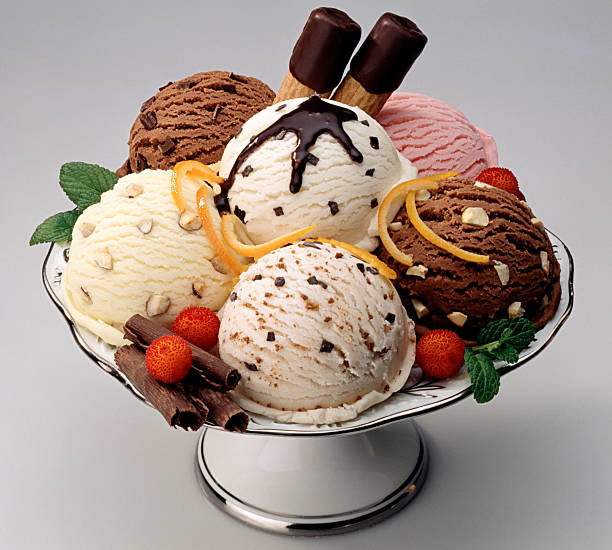
    Ice cream is the perfect hot-weather food. We don’t believe so. Do you need some sweet refreshments? Get an ice cream float? Do you feel inspired by the strawberry farm? For a tasty sundae, add ice cream to the berries. Do you need a quick snack before you head to the beach? You can grab a small scoop and put it in a waffle cone. Is your summer romance spiraling out of control? You can get ice cream with a spoon or binge-watching.

    You’re likely to be overwhelmed by the variety of available flavors, whether standing in the frozen food aisle at the grocery store or at your local ice cream shop. You can choose to have a vanilla ice cream or a non-traditional flavor. There are many low-calorie frozen desserts as well as plant-based ice cream. You can also go gourmet with all-natural gelatos.

    It is a real puzzle.

    Let’s ease the pressure. There is no “best ice cream flavor.” It’s just ice cream. There is no correct answer. We have a few suggestions if you want to try only some flavors.

    Tillamook Old Fashioned Vanilla Ice Cream 48oz

    This is your grandfather’s recipe for the perfect vanilla ice cream. Tillamook has created a sweet, creamy, sweet vanilla with a hint of marshmallow flavor. This ice cream base is ideal for creating scoop-shop creations such as milkshakes and root beer floats.

    Ben & Jerry’s Half-Baked Ice Cream 16oz

    Ben & Jerry’s Half Baked Ice Cream Pint comes straight from Vermont. It is filled with delicious chocolate chunks of fudge brownies and cookie dough. This pint has been a long-standing favorite for snack lovers of all ages. This pint is made in partnership with Greyston & Rhino Bakeries. It comes with sustainable packaging so that you can feel good about what you eat.

    Blue Bell Cookies n’ Creme Ice Cream 16oz

    Blue Bell Creamery is the pride of Brenham, Texas. They have been making delicious ice cream since 1930. Blue Bell Creamery is a Lone Star State institution. They were the first to combine vanilla ice cream with chunks of chocolate creme cookies. Their Cookies n’ Cream ice cream is still trendy, as it was when it first appeared in 1980.

    Talenti Gelato Pacific Coast Pistachio 16oz

    This delicious, creamy-tasting Italian ice cream is a perfect way to enjoy Dolce Vita. Talenti gelato, rich and delicious, is handmade from scratch using premium ingredients. Gelato is made with milk and not cream. This means that it contains less fat than regular ice cream, which allows you to enjoy a more significant portion. Enjoy Pacific Coast Pistachio after pizza for a full-flavored Italian escape.

    Haagen Dazs Butter Pecan Ice cream 14oz

    Haagen-Dazs Ice Cream is undoubtedly the best grocery store ice cream you can buy. Their Butter Pecan Ice cream is the crowning glory of this achievement. They have incorporated buttery roasted pecans with their sweet vanilla ice cream to create this decadent, delicious frozen treat. This ice cream is excellent for seasonal desserts or just as a delightful treat on its own. Haagen-Dazs Butter Pecan ice cream is a classic that’s been made great.

    NadaMoo! Organic Mint Chip Frozen Dessert 16oz

    Improving on a classic flavor, such as a mint chip, is difficult. But NadaMoo! The assignment was easy. The team created a vegan, dairy-free, non-GMO, certified vegan frozen dessert that was as creamy as traditional mint chocolate chip ice cream. Organic Mint Chip, NadaMoo’s first flavor, is made with organic coconut milk. It is rich in creamy, crunchy, and mint-chocolatey goodness that you can enjoy virtuously.

    Serendipity Hot Chocolate Pint

    Who says you must give up your winter drink once the warmer season is in full swing? Serendipity is New York’s most beloved ice cream flavor, and it’s not for you. Frozen hot chocolate is Serendipity’s signature ice cream flavor. It combines rich chocolate ice cream with a swirl of whipped cream and crispy chocolate shavings.

    Milk Bar Cereal Milk Ice Cream 14oz

    Time for dessert? Milk Bar Cereal Milk Ice Cream is a great alternative to the cereal box. This scoopable pint of Cereal Milk Ice Cream is ultra-creamy and custard-like. It comes with a cornflake crunch (sweet, salty, and a little corny) that tastes just like your cereal bowl. This is the ideal dessert for anyone who loves ice cream for breakfast.

  • Best Wines You Can Serve Anytime

    Best Wines You Can Serve Anytime

    It’s happened again. You were invited to a last-minute get-together with your friends. Now, you are responsible for bringing a bottle of wine. You’re now faced with the selection of liquor stores and trying to decide which one to buy. You are faced with choosing a label: the clever play on words or the adorable cartoon forest animals. No matter your choice, you will know there is a better way of selecting the right wine for your dinner party.

    Over the past few years, wine-drinking rules have become more relaxed. No longer are we bound to guidelines that red wine should be used for beef dishes, white for seafood and chicken, and rose for summer. Bottles (or cans!) of red, white, and rose wine go well with almost everything. Mix things up and add ice to your drink. *

    Are you ready to skip the tasting notes? Enjoy our selection of wines, perfect for intimate dinners with family and friends or just relaxing on the patio. Make sure to bring ice.

    Nottingham Cellars Sauvignon Blanc 750ml

    The glass opens to a green apple, pineapple, and white peach bouquet. It then welcomes the tropical, tart, and racy flavors that will follow. The bright and refreshing opening is followed by a slow, smooth finish that will leave you wanting more. You can enjoy it paired with your favorite dish or chilled on hot summer days.

    Gruet Sparkling Wine Demi-Sec 750ml

    Are you feeling bubbly? This Demi-Sec has a toasty bouquet that is filled with the aromas of peaches, apples, and pears. These aromas are transferred to the palate immediately after the first sip. Then, the flavors transition to an exotic and well-balanced finish of honeysuckle. This wine is perfect as a dessert wine or a refreshing tipple for sweet-toothed people.

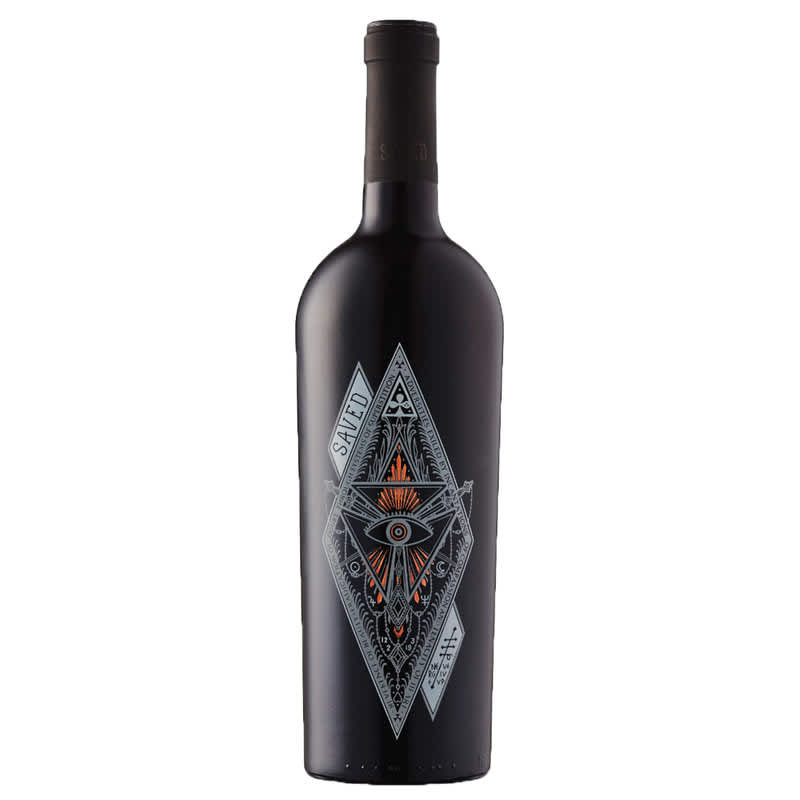
    Red Saved 750ml

    Are you having trouble making a decision? This stunning red blend is from California’s wine regions. It contains Merlot, Malbec Syrah, Zinfandel, and small amounts of other red varieties. The result is a powerful, robust wine with a big personality. The bright aromas of vanilla and fig will attract you and take you to rich flavors of blackberry, spice, and a long and satisfying finish.

    Wyndridge Vines Rose 4pk 12oz Can 7.0% ABV

    Can you get wine in a can? Why not? Windridge only uses the finest fruits to create refreshing drinks that can be taken anywhere. The sparkling rose has a floral aroma that ends in an off-dry finish. The delicate flavors of grape, citrus, and melon for a satisfying, sweet, accessible finish complement the light, refreshing mouthfeel.

    Gerard Bertrand Hedo Rose, 750ml

    This rose wine is full-bodied and well-balanced, imported from Languedoc in France. The bouquet bursts with summer fruits, cassis, and red currant aromas. It also has a flirtatious combination of rose and grapefruit scents. The first sip is full of vibrant red berry flavors. They then fade to subtle varieties of strawberry, mint, pink grapefruit, strawberries, and lemon verbena for a long-lasting finish.

    Yellow Tail Pure Chardonnay 750ml

    Yellow Tail Pure Bright Chardonnay is a classic Australian wine. It has bright notes of peach and vanilla and a smooth, silky finish. This wine is an excellent complement to summer meals of lobster, garlic butter, and vegetables.